You Won’t Believe What I Saw in Bishkek
Bishkek isn’t on every traveler’s radar, but let me tell you—its viewing experiences are absolutely unreal. From mountain-backed cityscapes to quiet moments in leafy squares, every glance feels intentional, alive. I went expecting a pit stop; I found a visual symphony. If you’re chasing authenticity and beauty that doesn’t scream for attention, this city delivers in ways you never expected.
First Impressions: A City That Breathes Slowly
Arriving at Manas International Airport, one is immediately struck by the quiet efficiency of the terminal and the ease of transition into the city. Unlike the bustling hubs of Western capitals, there is no rush, no jostling for taxis or luggage carousels. The drive into Bishkek unfolds gradually, revealing a city that refuses to be hurried. Wide boulevards stretch ahead, lined with poplar trees swaying in the breeze, and the distant silhouette of the Ala-Too mountain range looms like a silent guardian. This sense of space is rare among capital cities, where congestion often overwhelms the senses. Here, the low traffic, minimal noise, and abundance of open plazas create a rhythm that allows visitors to truly see.
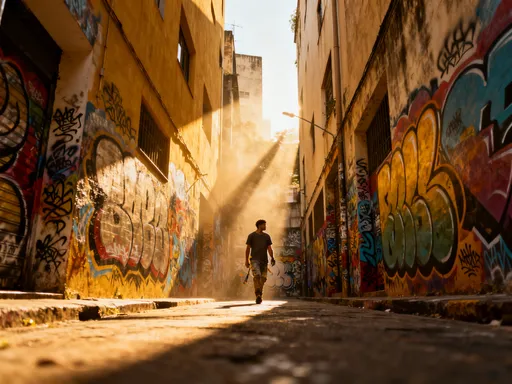
The architectural landscape tells a layered story. Soviet-era apartment blocks, once symbols of utilitarian uniformity, are now softened by climbing ivy and bursts of seasonal flowers planted by residents. These gray facades are increasingly contrasted by vibrant murals painted on side streets and underpasses—tributes to Kyrgyz poets, historical figures, and traditional motifs like the intricate patterns of shyrdaks, handcrafted felt rugs. This visual dialogue between past and present is not jarring but harmonious, as if the city has learned to embrace its history without being trapped by it.
What stands out most in these first hours is the absence of visual clutter. There are few billboards, little neon signage, and no overwhelming advertisements competing for attention. Instead, the eye is drawn naturally to human activity: an elderly woman selling sunflower seeds from a wooden cart, children chasing pigeons across a cobblestone plaza, or a man repairing a bicycle with quiet focus. This calmness enhances visual awareness. Without sensory overload, travelers begin to notice subtleties—the way sunlight filters through linden trees, the texture of weathered stone on a park bench, the soft hum of conversation drifting from a nearby café. In a world where so many cities demand constant engagement, Bishkek offers the rare gift of stillness, inviting visitors to simply look, absorb, and feel.
Ala-Too Square: The Heartbeat of the City’s Visual Rhythm
At the center of Bishkek lies Ala-Too Square, a vast open space that serves as both a civic landmark and a living canvas of daily life. By day, it is a stage for quiet routines: office workers pausing for fresh air, students reading under trees, families pushing strollers along paved pathways. The square’s centerpiece, the Independence Monument, rises with quiet dignity—a flame-shaped sculpture symbolizing national pride and resilience. Surrounding it are the pale stone facades of government buildings, their neoclassical lines softened by the dappled light of surrounding trees.
What makes Ala-Too Square so visually compelling is its openness. Unlike enclosed plazas in older European cities, this space breathes. There are no barriers, no fences, no strict rules about where one can walk or sit. This freedom creates organic viewing opportunities. At sunrise, the low-angle light casts long shadows across the flagstones, turning ordinary commuters into silhouettes against a pale pink sky. In the late afternoon, the golden glow bathes the square in warmth, highlighting the fluttering blue-and-yellow national flag and the faces of children playing near the fountains.
People-watching here is not voyeuristic but deeply human. It is a form of cultural immersion, offering insight into the rhythms of Kyrgyz life. You might see a group of women in colorful traditional dresses preparing for a wedding photo session, their laughter echoing across the plaza. Or a veteran in a weathered military jacket receiving a small bouquet from a schoolgirl on a national holiday. These unscripted moments are not performed for tourists—they are lived, genuine, and profoundly moving. The square does not rely on grand spectacle; its beauty lies in the accumulation of small, authentic interactions that unfold naturally in the open air.
For photographers and casual observers alike, Ala-Too Square teaches patience. The best shots are not captured immediately but after waiting, watching, and allowing the scene to reveal itself. There is a lesson here about presence—about being fully in a place rather than rushing through it. The square’s visual rhythm is slow, steady, and deeply calming, much like the city itself.
Osh Bazaar: A Feast for the Eyes (and Everything Else)
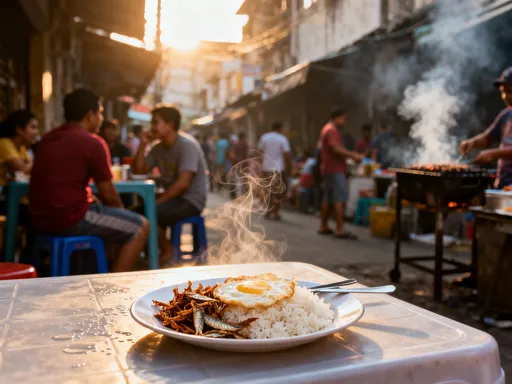
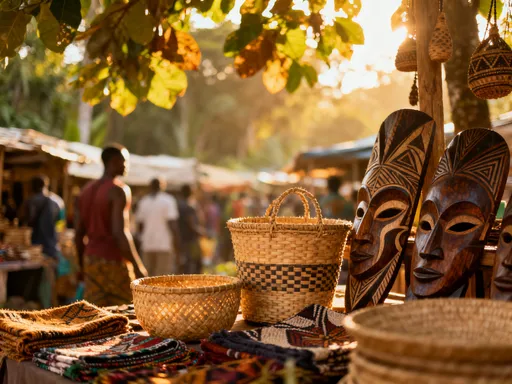
If Ala-Too Square represents order and openness, Osh Bazaar is its vibrant, pulsing counterpart—a sensory explosion that delights and overwhelms in equal measure. One of Central Asia’s largest and oldest markets, Osh Bazaar is not merely a place to shop but a living museum of color, texture, and tradition. From the moment you step inside, your senses are engaged. The air is thick with the scent of cumin, fresh bread, and ripening fruit. Stalls overflow with pyramids of pomegranates, apricots, and melons in every shade of orange and green. Bundles of herbs are tied with twine and displayed like bouquets, while wheels of golden halva glisten under glass covers.
What makes this market so visually arresting is the artistry of arrangement. Vendors do not simply pile goods haphazardly—they compose them. Rows of spices are laid out in neat concentric circles: crimson paprika, saffron turmeric, deep brown cumin seeds. Handwoven carpets hang like tapestries, their geometric patterns telling stories of nomadic heritage. Even the butcher stalls, though intense, display meat with a kind of brutal precision, the cuts arranged symmetrically and draped with white cloth. These displays resemble still-life paintings, each one a deliberate composition of form, color, and light.
Observing in such a bustling environment requires sensitivity. The key is to watch without intruding, to appreciate without objectifying. A respectful gaze is welcomed; a pointed camera lens may not be. Many visitors find that the best way to experience the market is simply to walk slowly, allowing the details to accumulate—the calloused hands of a walnut seller, the embroidered collar of a vendor’s dress, the way sunlight slants through the corrugated roof and illuminates a pile of dried apricots like amber jewels. These are not tourist attractions but moments of real life, unfolding with quiet dignity.
Osh Bazaar is more than a marketplace—it is a visual narrative of Kyrgyzstan’s agricultural abundance, culinary traditions, and communal values. It speaks of self-sufficiency, hospitality, and the pride of craftsmanship. To walk its aisles is to witness a culture that finds beauty in utility, art in everyday objects, and connection in shared spaces. For the observant traveler, it is one of the most rewarding viewing experiences in the city.
Green Alleys and Urban Parks: Where Nature Meets Concrete
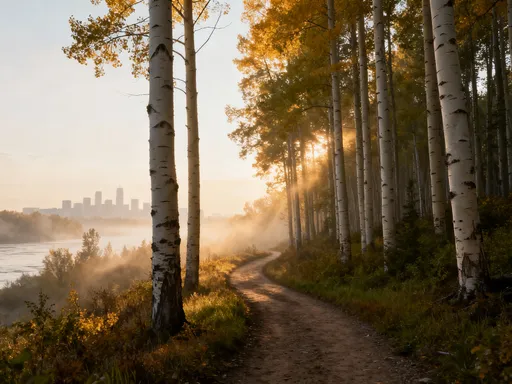
Amid the city’s urban fabric, green spaces serve as vital oases of calm and visual richness. Gorkogo Park, one of Bishkek’s oldest and most beloved parks, offers a shaded retreat from the bustle of central avenues. Tree-lined pathways, carpeted with fallen leaves in autumn, invite slow strolls and quiet reflection. Linden, poplar, and elm trees form a canopy that filters sunlight into shifting patterns of light and shadow, creating a dynamic visual experience that changes with the hour and season.
Landscaping in Bishkek plays a crucial role in softening the city’s architectural edges. Where Soviet-era buildings once stood stark and imposing, gardens and flowerbeds now bloom with seasonal color. Roses, marigolds, and petunias are carefully maintained, often by local volunteers or neighborhood associations. These green interventions do more than beautify—they humanize the urban environment, making it feel more livable and intimate. Even narrow alleyways between apartment blocks are sometimes transformed with potted plants, climbing vines, or small benches, turning overlooked spaces into pockets of serenity.
Within these parks, unexpected sights await. A mural of a Kyrgyz folk tale might appear behind a fountain, half-hidden by foliage. Elderly couples might be seen dancing tango on a quiet stretch of pavement, moving with grace and joy to music only they can hear. Children chase bubbles blown by a street performer, their laughter echoing under the trees. These moments are not staged for tourism but emerge organically from the culture of public space. They remind visitors that beauty often resides in the unplanned, the spontaneous, the deeply human.
The interplay of light and nature in these green spaces enhances visual awareness. Morning light casts long, delicate shadows; midday sun creates bright contrasts; evening brings a soft, golden glow. For photographers and contemplative travelers alike, these parks offer endless opportunities to slow down and truly see. They are not just places to pass through but spaces to inhabit, to breathe, and to observe the quiet poetry of everyday life.
Mountain Vistas: The Backdrop That Never Fades
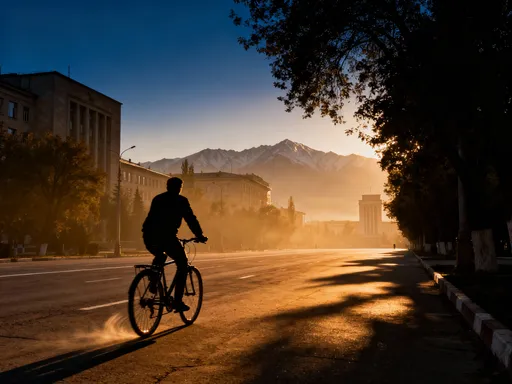
Perhaps the most constant and awe-inspiring visual element of Bishkek is the presence of the Ala-Too mountain range. Visible from nearly every elevated point in the city, these snow-capped peaks form a majestic backdrop that never loses its impact. Along Erkindik Boulevard, a broad avenue lined with trees and monuments, the view opens up dramatically. On clear days, the mountains appear so close they seem within reach, their white summits glowing against the blue sky.
The magic intensifies at golden hour. As the sun dips below the western horizon, the peaks catch the last light, turning a radiant shade of rose-gold. This daily transformation draws locals and visitors alike to vantage points across the city. Some stand on balconies with cameras; others pause on park benches, simply watching. There is a shared, unspoken appreciation for this natural spectacle—a moment of collective pause in the rhythm of the day.
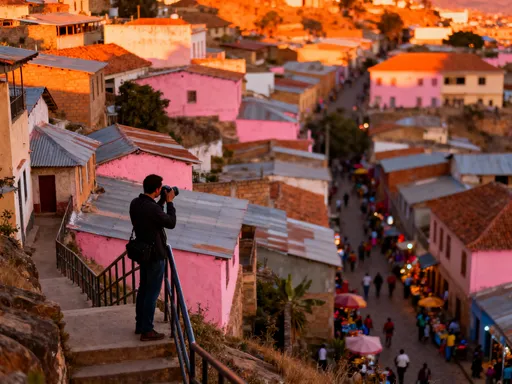
For those seeking a fuller perspective, short day trips to nearby hills offer panoramic views of Bishkek nestled between plains and peaks. From these elevated points, the city spreads out like a patchwork—green parks, grid-like streets, and clusters of buildings framed by the eternal mountains. These vistas are not just beautiful; they have a psychological effect. The presence of such enduring natural grandeur puts urban life into perspective, reminding us of scale, time, and our place within the landscape.
The mountains are more than scenery—they are a constant companion, a source of orientation and inspiration. They shape the city’s identity, influence its climate, and anchor its visual language. To walk through Bishkek is to always be in dialogue with the land, to feel connected to something vast and ancient. This relationship between city and nature is one of the most profound aspects of the viewing experience here.
Art and Architecture: Hidden Visual Gems Beyond the Obvious
Beyond its natural beauty and market vibrancy, Bishkek reveals its artistic soul in quieter, more subtle ways. Murals celebrating Kyrgyz history and folklore adorn side streets and building facades, often tucked away from main thoroughfares. These works depict epic tales of Manas, the legendary hero of Kyrgyz oral tradition, or scenes of nomadic life—yurts under starry skies, horsemen galloping across steppes. Painted with vibrant colors and intricate detail, they transform ordinary walls into storytelling canvases.
The city’s architecture reflects a fascinating contrast. Brutalist government buildings from the Soviet era stand alongside cozy cafés with wooden latticework, traditional Kyrgyz patterns, and hand-carved eaves. This juxtaposition is not chaotic but conversational, a visual dialogue between eras. In some neighborhoods, modern renovations have preserved historical elements while introducing contemporary design—glass extensions meet stone facades, steel railings echo traditional motifs. These hybrid spaces reflect a city in thoughtful evolution, honoring its past while embracing the future.
For a deeper dive into visual storytelling, the National Museum of Fine Arts offers a quiet sanctuary. Its collection includes traditional Kyrgyz crafts, Soviet-era paintings, and contemporary works by local artists. The museum is not crowded, allowing for contemplative viewing. Here, one can trace the evolution of Kyrgyz artistic expression—from the symbolic patterns of felt rugs to the bold strokes of modern abstraction. Each piece carries cultural memory, offering insight into values, beliefs, and aesthetic sensibilities.
What sets Bishkek’s art scene apart is its accessibility. Unlike elite galleries in global capitals, much of the city’s art exists in public view, free for all to enjoy. A passerby might pause to admire a mural, a child might point at a painted horse, a couple might take a photo in front of a colorful wall. This democratization of art deepens engagement, turning the city itself into an open-air gallery. These hidden visual gems invite curiosity and connection, offering rewards for those who look beyond the obvious.
Sunset Rituals: How Locals Frame the Day’s Final Light
As daylight fades, a quiet ritual unfolds across Bishkek. Along the banks of the Alamedin River, families gather to unwind. Teenagers snap selfies with the sky as their backdrop, their laughter mingling with the rustle of leaves. Elderly couples sit on benches, sipping tea from thermoses, their faces softened by the evening light. Children fly kites shaped like birds and stars, their strings trailing like threads of hope against the dusky blue.
There is no announcement, no schedule—just a natural convergence of people drawn to the beauty of the moment. The sky transforms through a spectrum of colors: pale gold, deep orange, dusky rose, and finally, a soft lavender that melts into night. This daily performance is not watched with phones alone but with eyes lifted, hearts open. It is a shared experience, a moment of collective stillness in a world that rarely pauses.
These sunset gatherings capture the soul of Bishkek more authentically than any landmark or tour guide could. They reflect a culture that values family, nature, and simple pleasures. There is no need for grand entertainment—just the sky, the river, and the company of loved ones. For visitors, witnessing this ritual is a gift, a reminder that beauty is not always found in monuments but in moments of quiet togetherness.
To stand by the river at dusk is to understand the city’s essence. It is not loud, not flashy, not hurried. It is gentle, grounded, and deeply human. The way light frames these everyday scenes—kites dancing in the wind, steam rising from a teacup, silhouettes against the horizon—elevates the ordinary into something poetic. These are the images that linger long after the trip ends, the ones that whisper, rather than shout, of a place worth seeing.
Bishkek doesn’t shout its beauty—it whispers. Its viewing experiences aren’t staged for cameras but lived daily. By slowing down and truly looking, travelers discover a city where every glance tells a story. It’s proof that sometimes, the most powerful sights are the ones you weren’t looking for.