Urban Frames: Chasing Light and Life in Madagascar’s Beating Capital
Ever wandered a city that feels like a living photograph? Antananarivo isn’t just Madagascar’s capital—it’s a textured mosaic of climbing alleyways, rust-colored rooftops, and golden-hour light that clings to every corner. As a photographer, I didn’t expect to fall for an urban jungle this raw and real. This is where shutter speed meets soul, and every street corner tells a story waiting to be framed. More than a transit point or administrative hub, Antananarivo reveals itself slowly, layer by layer, through flickers of color, shifting shadows, and the quiet dignity of daily life unfolding in full view. For those with a lens and an open heart, the city offers not just scenes, but stories—unposed, unfiltered, and deeply human.
First Impressions: A City Built on Ridges and Rhythm
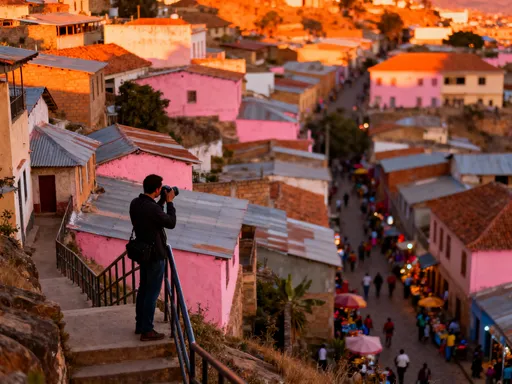
Antananarivo, often called Tana by locals, unfolds across a series of steep hills that rise like natural stages from the central highlands of Madagascar. This topography defines the city’s rhythm and visual character. When viewed from elevated vantage points such as Ambohimanjaka or the overlook along Route Nationale 4, the city appears as a cascading patchwork of rooftops, winding roads, and green pockets nestled between ridges. The first glimpse at dawn, when morning mist drifts between tiled roofs and wooden eaves, is nothing short of cinematic. The interplay of elevation and light creates a natural layering effect—foreground, midground, background—all visible in a single frame, offering photographers a rare gift: depth without effort.
The city’s hilltop layout is more than scenic; it is functional and historical. Founded in the 17th century by King Andrianjaka, Tana was strategically positioned for defense and surveillance. Today, these same vantage points serve as ideal locations for wide-angle cityscapes. The panoramic views from Ambohimanjaka, especially at sunrise, capture the slow awakening of the capital. Street vendors roll out carts, schoolchildren in crisp uniforms climb stairways, and the hum of early traffic begins to rise. These moments, fleeting and authentic, are best captured with a tripod and a low ISO setting to preserve detail in the soft, diffused light.
Architecturally, Antananarivo is a blend of influences. French colonial buildings with shuttered windows and wrought-iron balconies stand alongside traditional Malagasy *trano gasy* houses—wooden structures with steeply pitched roofs and central pillars symbolizing ancestral connection. This contrast adds visual richness. A single street might feature a 19th-century chapel next to a brightly painted market stall, each with its own texture, color, and story. Photographers benefit from observing how these elements coexist, often without deliberate harmony, creating a kind of organic composition that cannot be staged.
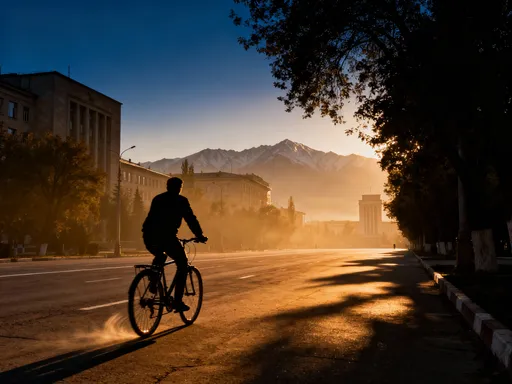
Timing is critical when photographing Tana’s topography. Midday light, harsh and direct, flattens form and drains color. The golden hours—just after sunrise and before sunset—bring warmth and dimension. During these times, the sun skims the ridges, casting long shadows that emphasize the city’s verticality. The golden glow enhances the rust tones of corrugated metal roofs and deepens the green of eucalyptus trees planted along pathways. For those seeking dynamic urban imagery, arriving early or staying late is not just recommended—it is essential.
The Pulse of Analakely: Capturing Urban Energy
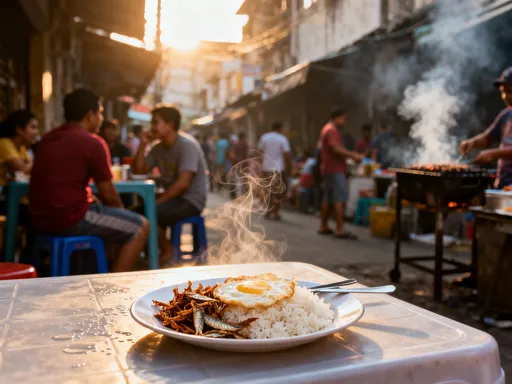
If Antananarivo has a heartbeat, it beats strongest in Analakely, the bustling commercial center that pulses with movement from morning until dusk. This district, anchored by a major transportation hub and open-air markets, is a sensory overload in the best possible way. Woven textiles in bold indigo, saffron, and crimson spill from stalls. Piles of turmeric, cloves, and vanilla beans release their fragrance into the air. Hand-painted signs in Malagasy script advertise everything from phone credit to secondhand shoes. For photographers, Analakely is a treasure trove of candid moments—faces lit by the glow of a streetlamp, hands exchanging coins, children balancing baskets on their heads.
Capturing the energy of Analakely requires a balance between immersion and intention. The scene is chaotic, but compelling photographs emerge when the photographer finds order within the disorder. One effective technique is to use a shallow depth of field—f/2.8 or wider—to isolate a single subject against a blurred background of motion. A vendor adjusting a display of sunglasses, a woman wrapping fabric around her shoulders, or a boy sipping from a glass of fresh sugarcane juice can become the focal point of a powerful image. The background remains alive with movement, but the subject stands clear, grounded in presence.
Engaging with locals in Analakely should always be done with respect and awareness. While some subjects welcome being photographed, others may not. A simple smile, a nod, or a quiet “Azafady” (meaning “excuse me” or “please” in Malagasy) goes a long way. When possible, ask permission before raising the camera. In many cases, people will pose naturally, not for vanity, but as an act of shared connection. These moments, when trust is established, often yield the most authentic portraits—faces that tell of resilience, warmth, and daily perseverance.
The visual contrast in Analakely extends beyond people and products. Modern shops with glass fronts and digital signage sit beside colonial-era buildings with peeling paint and iron grilles. This juxtaposition speaks to the city’s evolving identity—a place where tradition and modernity coexist, sometimes uneasily, but always visibly. Photographers can use this contrast to tell broader stories about change, continuity, and cultural adaptation. A wide-angle lens can capture a satellite dish mounted on a thatched roof, or a smartphone being used beneath a hand-painted sign that reads “Internet Café.” These details, small but significant, add narrative depth to any visual collection.
Hidden Layers: Stairways, Alleys, and Forgotten Corners
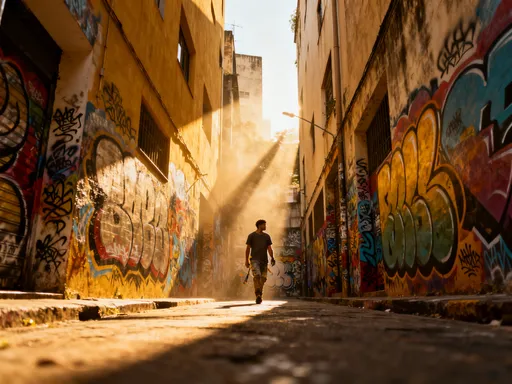
Beneath the surface rhythm of Antananarivo lies a network of stairways, alleys, and narrow passageways that connect neighborhoods in vertical succession. These routes, often overlooked by visitors, are among the city’s most photogenic features. The climb up the Andohalo stairs, for instance, leads from the bustling lower city to a historic square with panoramic views and a quiet monument to independence. Along the way, the walls tell stories—graffiti in Malagasy proverbs, faded political slogans, and handprints left by generations of climbers. The steps themselves, worn smooth by time and foot traffic, bear the marks of daily life.
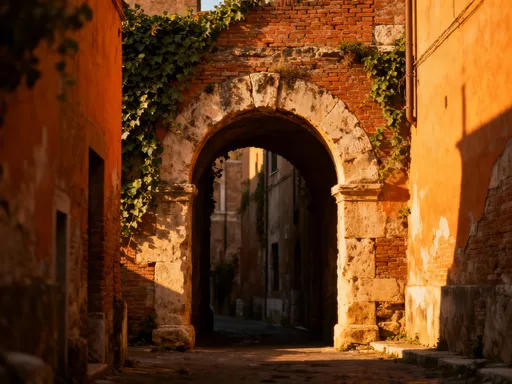
Areas like the lanes near Ambohibemasoandro or the upper reaches of Androndra offer intimate, textured scenes perfect for detail and macro photography. Here, laundry hangs from lines strung between buildings, fluttering like flags in the breeze. Doors with chipped blue or green paint reveal layers of history beneath their surfaces. Rust stains trail down metal gutters, and vines creep over cracked plaster. These are not ruins, but lived-in spaces—places where beauty emerges not despite decay, but because of it. A close-up of a weathered door handle, glistening with morning dew, can speak volumes about time, touch, and human presence.
Photographing these hidden layers requires agility and minimal gear. A lightweight mirrorless camera or a compact DSLR with a prime lens allows for easy navigation through tight spaces. Tripods are often impractical, but image stabilization and higher ISO settings (up to 1600) can compensate in low-light conditions. Overcast afternoons, when light is soft and even, are ideal for capturing atmospheric shots without harsh contrasts. The diffused glow enhances textures—wood grain, fabric weave, stone erosion—making them more pronounced and emotionally resonant.
One of the most rewarding aspects of exploring Tana’s alleys is the sense of discovery. A narrow passage may open into a small courtyard where children play with a handmade ball, or lead to a rooftop with an unobstructed view of the city’s skyline. These moments are unpredictable, unrepeatable, and deeply authentic. They remind photographers that the most compelling images are often found not on main streets, but in the quiet corners where life unfolds without performance.
Light as a Storyteller: Golden Hour Across the Hills
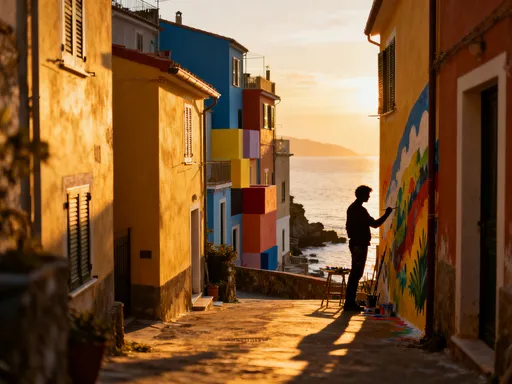
In Antananarivo, light is not just illumination—it is a narrative force. The city’s elevated terrain amplifies the effects of golden hour, when the sun hovers near the horizon, casting long shadows and bathing surfaces in warm, amber tones. This light transforms ordinary scenes into poetic compositions. A schoolyard becomes a stage for elongated silhouettes. A line of laundry turns into a string of golden ribbons. Even a pile of discarded tires gains dimension and dignity under the soft glow.
For photographers, the best vantage points during golden hour include the grounds of Soixante-Septembre, a public park with open lawns and unobstructed western views, and the path leading up to Ambohitora, where the city sprawls below like a living map. These locations allow for wide cityscapes as well as focused studies of architectural details. The warm light enhances the natural colors of the city—ochre walls, red bricks, green shutters—while reducing contrast, making exposure easier to manage. Bracketing exposures (taking multiple shots at different settings) ensures that both highlights and shadows retain detail, especially important in high-contrast urban environments.
Using a tripod during golden hour is highly recommended, particularly for long exposures or when shooting in RAW format for later editing. A remote shutter or timer helps avoid camera shake. The goal is not perfection, but authenticity—capturing the way light reveals form, texture, and mood. A single beam breaking through clouds and illuminating a church steeple, or a shadow stretching across a market stall, can become the centerpiece of a powerful image.
The emotional impact of golden hour photography in Tana lies in its ability to elevate the mundane. A woman walking home with a basket on her head, backlit by the setting sun, becomes a symbol of endurance. A child kicking a ball in a dusty lot is framed in gold, his movement frozen in time. These moments, fleeting and unposed, are the essence of street photography. They remind us that beauty is not always found in grand vistas, but in the quiet grace of everyday life.
People and Places: Portraits Within the Urban Fabric
No photograph of Antananarivo is complete without its people. They are the city’s soul—the artisans, students, vendors, and elders whose presence gives meaning to the streets. Portraiture in Tana must be approached with cultural sensitivity and genuine curiosity. Unlike tourist destinations where photo opportunities are commercialized, here, human connection precedes the image. A portrait is not taken; it is shared.
One of the most rewarding experiences is photographing artisans near the Zoma market, where potters shape clay by hand and tailors stitch garments on vintage sewing machines. These individuals often work in open-air workshops, their hands moving with practiced ease. To photograph them well, the photographer must first observe, then engage. A few minutes of conversation, a shared laugh, or a simple compliment can open the door to a meaningful portrait. When permission is granted, the resulting image carries not just likeness, but dignity.
A mid-length prime lens, such as a 50mm or 85mm, is ideal for street portraiture. It allows for a comfortable distance—close enough for connection, far enough to avoid intrusion. Shooting at eye level fosters equality and intimacy. Capturing not just the face, but the hands, the tools, the environment, adds context and narrative weight. A tailor surrounded by spools of thread, a student reading under a tree, a grandmother braiding her granddaughter’s hair—these are not just portraits, but stories in a single frame.
It is crucial to avoid exploitative framing—images that emphasize poverty, distress, or vulnerability for dramatic effect. Antananarivo is not a stage for poverty tourism. The goal is not to depict struggle, but to honor resilience, creativity, and community. When photographers approach their subjects with respect, the resulting images are not only more ethical, but more powerful. They resonate because they are true.
Contrasts That Define the City: Old Meets New, Planned Meets Organic
Antananarivo is a city of contrasts, and these tensions are its visual strength. The historic Rova of Antananarivo, perched on a hilltop, stands as a symbol of Malagasy sovereignty and cultural heritage. Once a royal palace complex, it now serves as a museum and national landmark. Nearby, in the Ivandry district, modern office buildings and glass-fronted businesses signal economic growth and urban development. Between them, the city breathes—a mix of planned and organic, ancient and contemporary.
These contrasts are visible in everyday details. A traditional *trano gasy* home, with its wooden frame and thatched roof, may have a satellite dish mounted on the side. A vintage Renault from the 1960s shares the road with a fleet of motorbikes carrying entire families. A hand-embroidered lamba (traditional garment) is worn beneath a denim jacket. These juxtapositions are not contradictions, but expressions of a living culture—one that honors the past while embracing the present.
Photographers can use these contrasts to create compelling visual narratives. A wide-angle lens captures the environmental context—how a new shopping center rises beside a centuries-old neighborhood. Selective focus can emphasize duality: a sharp foreground of a child in traditional dress, with a blurred background of a modern bus. Reflections in shop windows often offer layered compositions—ancestral patterns mirrored alongside digital advertisements. These images do not judge change; they document it, with curiosity and care.
The evolving urban landscape of Tana presents endless photographic opportunities. Construction sites, with their scaffolding and exposed brick, offer abstract compositions. Public spaces, like parks and plazas, show how people adapt to new environments. The key is to remain observant, to look beyond the obvious, and to find meaning in the in-between moments—where old and new, formal and informal, planned and spontaneous, intersect.
Practical Photography Tips for Shooting in the City
Photographing Antananarivo successfully requires preparation, awareness, and respect. The best times to shoot are early mornings and late afternoons, when light is soft and activity is high. Sunrise brings a quiet energy—vendors setting up, students walking to school, the city stretching awake. Late afternoon offers golden hour magic and the return flow of daily life. Midday should be used for editing, rest, or exploring shaded indoor spaces like markets or museums.
Safety and gear security are important in crowded areas. A compact mirrorless camera or a DSLR with a small prime lens is ideal—light enough to carry all day, capable of high-quality images. Weather sealing is a plus, as afternoon rains are common. A sturdy camera strap and a discreet bag help prevent theft. Always be aware of surroundings, especially in busy markets or transit zones.
Respecting local norms is essential. Avoid photographing religious ceremonies or private homes without permission. Be mindful of children—always ask parents or guardians before taking their picture. In rural outskirts or residential neighborhoods, a simple greeting and explanation of intent can prevent misunderstandings. Malagasy culture values politeness and indirect communication, so a calm, unhurried approach works best.
Technically, shooting in RAW format provides maximum flexibility in post-processing, especially in mixed lighting conditions. Use apps like PhotoPills or Sun Surveyor to plan golden hour shots and track sun position. These tools help identify the best angles and times for specific locations. A small notebook or voice memo app can be useful for recording context—names, stories, locations—which enriches the meaning of the images later.
Conclusion: Why Antananarivo Belongs in Your Lens
Antananarivo is not a polished postcard city. It does not offer the curated charm of European capitals or the sleek modernity of global metropolises. Instead, it gives something rarer: authenticity. Its beauty lies in its layers—in the peeling paint, the climbing stairways, the golden light that spills over rooftops and turns ordinary moments into something sacred. For photographers, Tana is a reminder that the most powerful images are not always the most perfect, but the most honest.
The city teaches patience, presence, and humility. It rewards those who slow down, who listen before they shoot, who see people not as subjects, but as storytellers. Every alley, every face, every patch of light is part of a larger narrative—one of resilience, adaptation, and quiet dignity. To photograph Antananarivo is not to capture a place, but to engage with a living culture.
So bring your camera, but leave behind expectations. Let go of the need for control. Embrace the unpredictability, the textures, the contrasts. Let the city guide you. Because in the end, the best photographs are not taken—they are given. And in Antananarivo, they are given generously, one golden moment at a time.