Whispers of the Wild: Edmonton’s Secret Natural Escapes
Nestled in the heart of Alberta, Edmonton is more than just a city—it’s a gateway to untouched natural beauty most visitors never see. I was surprised to discover serene river valleys, hidden trails, and wildflower-filled meadows just minutes from downtown. If you think Edmonton is all urban sprawl, think again. This is nature in its quietest, most authentic form—waiting just off the beaten path. Far from the noise and pace of city life, these green sanctuaries offer moments of stillness, reflection, and connection with the earth. With over 160 kilometers of trails, vast ravines, and protected natural areas, Edmonton quietly holds one of Canada’s best-kept secrets: a wild landscape woven seamlessly into urban life, accessible to anyone willing to step beyond the sidewalks.
Beyond the City: The Hidden Natural Soul of Edmonton
Edmonton carries a dual identity—one of modern infrastructure and cultural vibrancy, and another of deep-rooted natural serenity. While many associate the city with shopping districts, museums, and festivals, few realize that beneath this urban surface lies an expansive network of wild spaces. The North Saskatchewan River Valley, stretching across the city from east to west, forms the backbone of this hidden world. At over 7,400 hectares, it is recognized as the largest stretch of urban parkland in Canada, surpassing even New York’s Central Park in scale and diversity. Yet, unlike heavily touristed parks, much of this valley remains peaceful, under-visited, and refreshingly untouched.
What makes Edmonton’s natural soul so remarkable is its accessibility. Residents and visitors alike can transition from bustling downtown streets to quiet forest paths in less than ten minutes by car or public transit. This proximity defies the common assumption that meaningful nature experiences require long drives or expensive trips to remote reserves. Instead, the city has preserved a rare balance—where urban development and ecological integrity coexist. Trails wind through aspen groves, descend into steep ravines, and follow the slow current of the river, offering a sense of escape without the burden of distance. For families, retirees, and solo explorers, these spaces provide a sanctuary from the demands of daily life.
The contrast between perception and reality is striking. Many outsiders picture Edmonton as a flat, industrial city defined by oil and cold winters. Yet those who take the time to explore discover a landscape shaped by glacial rivers, rolling hills, and resilient native vegetation. The city’s commitment to green space planning ensures that new developments often include protected natural zones, trail connectivity, and wildlife corridors. This integration reflects a deeper understanding: that human well-being is tied to access to nature. Edmonton’s hidden soul is not just a collection of parks—it’s a living, breathing ecosystem embedded within the city’s identity.
The River Valley Network: A Green Lifeline
At the heart of Edmonton’s natural appeal is its extensive river valley trail system—a continuous green ribbon that follows the North Saskatchewan River for more than 160 kilometers. This network connects dozens of parks, neighborhoods, and natural areas, forming a lifeline for both people and wildlife. While some sections near the downtown core see moderate foot traffic, many entry points remain quiet, offering solitude even on sunny weekends. Cloverbar Park, located in the southeast, is one such hidden access point. With its wide-open meadows, mature trees, and minimal signage, it feels more like a country preserve than an urban park. Early morning walkers here often spot deer grazing at the forest’s edge or hear the distant call of a red-tailed hawk.
Another lesser-known gem is Gold Bar Park, situated just east of the city center. From here, a series of trails descend into a dramatic riverbank ravine, where cottonwood and balsam poplar trees create a canopy that filters sunlight into dappled patterns on the ground. In winter, the snow-covered paths become ideal for cross-country skiing and snowshoeing, with few crowds to disrupt the silence. Birdwatchers frequent this area year-round, hoping to catch sight of great blue herons wading in the shallows or bald eagles perched high in the treetops. The park also offers interpretive signs that explain the region’s geological history, including the glacial retreat that shaped the valley thousands of years ago.
What makes the river valley network so valuable is not just its size, but its continuity. Unlike fragmented green spaces in other cities, Edmonton’s system allows for long, uninterrupted hikes or bike rides without encountering major roads or development. A person can begin at Whitemud Park in the west and travel eastward through forests, wetlands, and grasslands, experiencing a surprising variety of ecosystems within a single journey. This connectivity supports both recreation and conservation, enabling animals to move safely and plants to propagate naturally. For residents, it means the possibility of a true wilderness experience without leaving city limits.
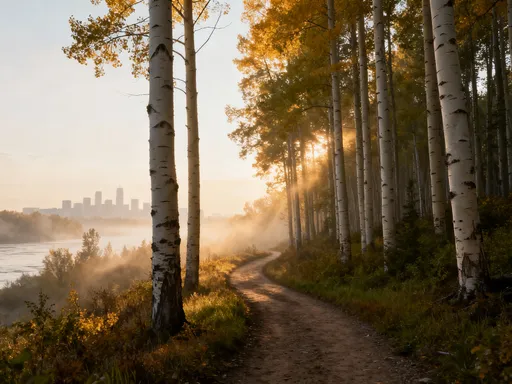
Seasonal changes further enhance the valley’s appeal. In spring, meltwater swells the river, and the first green shoots push through the damp soil. Summer brings long daylight hours, perfect for evening strolls under a golden sunset. Autumn transforms the aspen and birch trees into a mosaic of gold and amber, while winter cloaks the landscape in quiet stillness. Each season reveals a different character, inviting repeat visits and deeper familiarity. The river valley is not a static backdrop—it is a dynamic, evolving environment that responds to the rhythms of nature.
Hidden Gems in Plain Sight: Lesser-Known Parks and Trails
Beyond the main river corridor, Edmonton harbors a collection of smaller, often overlooked natural areas that offer intimate encounters with local ecology. Big Lake Nature Area, located in the city’s northwest, is one such treasure. Spanning over 120 hectares, it features a loop trail that winds through wetlands, mixed forests, and open meadows. A wooden boardwalk crosses a marshy section, allowing visitors to observe cattails, bulrushes, and the occasional muskrat without disturbing the fragile soil. In late spring and early summer, the area bursts with wildflowers—purple coneflowers, goldenrod, and the delicate white blooms of yarrow. Birdwatchers may spot northern flickers, yellow warblers, or even a great horned owl roosting in the pines.
Another quiet escape is Windermere Valley Ravine, tucked into a residential neighborhood in southwest Edmonton. Despite its urban surroundings, this ravine feels remarkably secluded. Tall spruce and poplar trees buffer the sounds of traffic, and the trail descends gently into a shaded valley where ferns and moss thrive in the cool, moist air. A small seasonal creek trickles through the underbrush, attracting songbirds and butterflies. Because it lacks major parking lots or visitor facilities, Windermere remains off most tourist maps, making it a favorite among locals seeking solitude. Early risers may find the trail lightly dusted with frost in the fall, creating a hushed, almost sacred atmosphere.
These lesser-known parks share common traits: minimal development, natural surface trails, and a focus on ecological preservation. They are not designed for large events or playgrounds, but for quiet observation and mindful walking. Visitors are encouraged to move slowly, listen closely, and notice the small details—a feather caught in a spiderweb, the scent of damp earth after rain, the sudden flutter of wings in the canopy. Such experiences foster a deeper connection to place, reminding us that wonder often lies in the subtle, not the spectacular.
For those planning a visit, timing and preparation matter. Early mornings and weekdays offer the greatest chance of solitude. Wearing layered clothing is advisable, as temperatures can shift quickly, especially in shaded ravines. Sturdy footwear with good traction is essential, particularly after rain or snow. Carrying a small backpack with water, a light snack, and a field guide to local birds or plants enhances the experience. While cell service may be spotty in deeper valleys, this digital disconnect becomes part of the appeal—allowing the mind to rest and the senses to awaken.
Seasonal Magic: How Nature Changes Year-Round
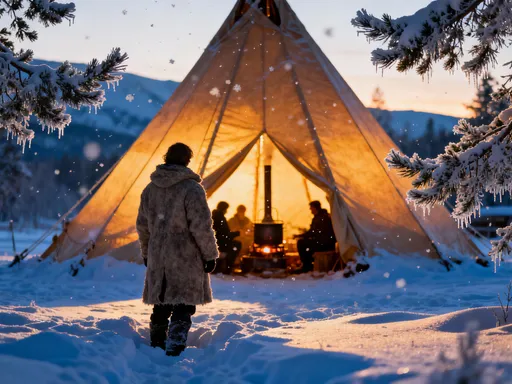
One of the most compelling reasons to explore Edmonton’s natural spaces repeatedly is the dramatic transformation they undergo with each season. Winter, often perceived as a time of dormancy, reveals a different kind of beauty. When snow blankets the river valley, the world becomes hushed and luminous. Trails compact into firm paths, ideal for snowshoeing or winter hiking. Frost coats the bark of trees, and animal tracks—squirrel, rabbit, coyote—etch delicate patterns across the snow. On clear days, the low winter sun casts long blue shadows, turning the landscape into a monochrome painting. Cross-country skiing is popular along wider trails, with rentals available at select park entrances. Even in the coldest months, the air feels invigorating rather than oppressive, especially when bundled in warm layers.
Spring arrives tentatively, marked by the gradual thaw of ice along the riverbanks. Meltwater feeds small streams that rush through the valleys, swelling the wetlands and awakening dormant plants. This is the season of return—migratory birds reappear, including sandhill cranes and Canada geese, their calls echoing across open fields. The first green shoots emerge: prairie crocus pushing through the soil, willow buds swelling with sap, and wild strawberries sending out runners. April and May can be muddy, but the sense of renewal is palpable. Early risers may witness fog rising from the river at dawn, wrapping the trees in soft mystery.
Summer extends the window for outdoor activity, with daylight lasting well past 9 p.m. in June and July. The trails become lush and green, shaded by a full canopy of leaves. Wildflowers bloom in abundance, attracting bees, butterflies, and hummingbirds. This is the ideal time for evening walks, when the air is warm but not stifling, and the golden light of sunset lingers on the horizon. Families often bring picnics to secluded clearings, while solo hikers enjoy the meditative rhythm of steady footsteps on packed earth. Although summer brings more visitors, quieter parks like Big Lake or Windermere remain relatively undisturbed.
Fall is perhaps the most visually stunning season. As temperatures cool, the deciduous trees ignite in color—golden aspen, crimson maple, and amber birch. The air carries a crispness that sharpens the senses, and fallen leaves crunch underfoot like nature’s own soundtrack. This is a favorite time for photographers and artists, drawn to the interplay of light and color. It is also a season of preparation, as animals gather food and birds begin their southward migration. The shorter days encourage earlier outings, but the beauty of a misty morning walk through a fog-draped forest is worth the early alarm.
Connecting with Local Ecology: Flora and Fauna You Might Encounter
Edmonton’s natural areas support a surprising diversity of plant and animal life, adapted to the region’s continental climate and varied terrain. Among the most commonly seen mammals is the white-tailed deer, often spotted at dawn or dusk grazing in meadows or pausing at the edge of trails. Red squirrels are ubiquitous, their chattering calls a familiar sound in the forests. While larger predators are rare, coyotes do inhabit the river valley, typically avoiding humans but leaving signs of their presence in tracks or distant howls on quiet nights. Observing wildlife requires patience and respect—keeping a safe distance, avoiding feeding animals, and minimizing noise to allow natural behaviors to unfold.
Birdlife is particularly rich, with over 250 species recorded in the region. Great blue herons stalk the river shallows, spearing fish with lightning-fast precision. Red-winged blackbirds cling to cattails in wetlands, singing their distinctive trill. In the treetops, chickadees, nuthatches, and woodpeckers flit between branches, searching for insects. During migration, the skies fill with flocks of geese and ducks, flying in V-formations toward warmer climates. Binoculars and a field guide can greatly enhance the experience, turning a casual walk into a lesson in local ecology.
The plant life is equally fascinating. Trembling aspen, with its pale bark and fluttering leaves, dominates many slopes and ravines. The wild rose, Alberta’s provincial flower, blooms in early summer with soft pink petals and a delicate fragrance. Other native species include the hardy prairie crocus, one of the first flowers to appear in spring, and the showy milkweed, which supports monarch butterfly populations. These plants are not merely decorative—they play vital roles in soil stabilization, pollination, and food webs. Staying on marked trails helps protect their roots and prevents the spread of invasive species like leafy spurge or oxeye daisy.
Understanding this ecology fosters a sense of stewardship. Each animal track, each bird call, each blooming flower is part of a complex, interconnected system. When visitors learn to recognize these elements, they move from passive observers to active participants in conservation. Educational signage in many parks provides basic information, but deeper engagement comes from slowing down, asking questions, and cultivating curiosity. The more one knows, the more one values—and protects—the natural world.
Planning Your Escape: Practical Tips for Exploring Safely and Sustainably
Exploring Edmonton’s hidden natural escapes is accessible to nearly everyone, but a few practical considerations ensure a safe and rewarding experience. First, check the weather forecast before heading out. Alberta’s climate can shift rapidly, with sudden rain, wind, or temperature drops, especially in spring and fall. Dressing in layers allows for easy adjustment, while waterproof outerwear provides protection when needed. Footwear should be sturdy, with good ankle support and tread, particularly on uneven or muddy terrain.
Trail etiquette is essential for shared spaces. Hikers should stay to the right, yield to faster users like cyclists, and step aside to allow others to pass. Dogs must be kept on leashes in most natural areas to protect wildlife and ensure public safety. Carrying out all garbage—including food scraps and tissues—supports the Leave No Trace principle of minimizing impact. Other key practices include avoiding shortcuts that erode soil, refraining from picking plants or disturbing animals, and respecting posted signs and closures.
Navigation is straightforward thanks to well-marked trails and available resources. The City of Edmonton provides detailed trail maps online and at major park entrances. Mobile apps like AllTrails offer real-time GPS tracking, user reviews, and difficulty ratings. However, relying too heavily on digital devices can distract from the sensory experience of being in nature. Consider using technology as a tool, not a crutch—consult it at trailheads or rest points, then set it aside to fully engage with the surroundings.
Transportation options make access convenient. Many trailheads are reachable by public transit, including buses and the Valley Line LRT, which connects to key parks in the south. For those driving, parking is generally available, though lots may fill on sunny weekends. Carpooling or visiting during off-peak hours increases the chances of finding a spot. Families can pack a small picnic, but should use designated areas and avoid open flames. With thoughtful preparation, even a short two-hour visit can feel like a meaningful retreat.
Why These Hidden Landscapes Matter: Reconnecting with Nature in Modern Life
In an era dominated by screens, schedules, and constant stimulation, the quiet landscapes of Edmonton offer something increasingly rare: stillness. Time spent walking through a sun-dappled forest or standing by a flowing river has measurable benefits for mental and emotional well-being. Studies have shown that exposure to green spaces reduces stress, improves mood, and enhances cognitive function. For many, these natural escapes become a form of gentle therapy—a way to process emotions, gain perspective, or simply breathe more deeply.
The value of these spaces extends beyond individual health. They represent a commitment to balance—a recognition that cities must not only build upward but also preserve outward. As Edmonton continues to grow, protecting its river valley and natural areas ensures that future generations will inherit not just infrastructure, but also beauty, biodiversity, and room to roam. These landscapes are not luxuries; they are essential components of a livable, resilient urban environment.
Moreover, they invite a shift in perspective. In the stillness of a winter trail or the bloom of a spring meadow, one is reminded of cycles larger than oneself—of growth and decay, of continuity and change. This awareness fosters humility and gratitude, qualities often overshadowed in modern life. To walk mindfully through nature is to practice presence, to listen, to notice. It is to remember that we are part of a living world, not separate from it.
So the next time you feel overwhelmed, consider stepping off the sidewalk and into the quiet. Let the rustle of leaves replace the ring of a phone. Let the scent of pine replace the smell of exhaust. Edmonton’s hidden natural escapes are not just places on a map—they are invitations to reconnect, to restore, and to rediscover the whisper of the wild within us all. Explore them with care, visit them often, and cherish them as the quiet sanctuaries they are.