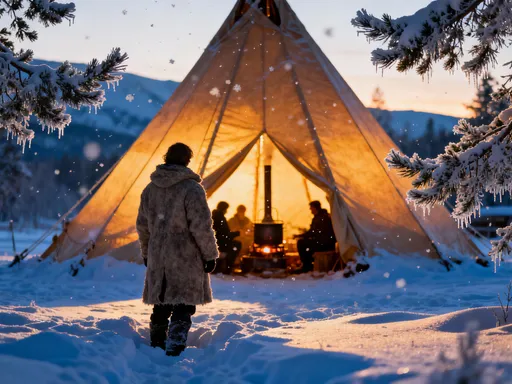
You Won’t Believe This Secret Dining Scene in Austria’s Salzkammergut
Nestled between alpine peaks and glassy lakes, the Salzkammergut region of Austria feels like a dream whispered by nature. But beyond its postcard views lies a hidden world of dining experiences most travelers never discover. I stumbled upon intimate farm-to-table inns, family-run lakeside taverns, and mountain lodges serving dishes steeped in centuries-old tradition. This is not just a meal—it’s a story on a plate, waiting to be tasted.
The Allure of Salzkammergut: More Than Just Scenery
Recognized as a UNESCO World Heritage site, the Salzkammergut spans over 500 square kilometers of breathtaking terrain across the states of Upper Austria, Salzburg, and Styria. With more than 70 lakes, snow-capped mountains, and lush green valleys, the region has long drawn admirers for its natural splendor. Yet its true depth unfolds not only through sight but through taste. The same alpine purity that shapes its landscapes also nourishes its cuisine. Here, food is not an afterthought to the scenery—it is an essential thread in the region’s cultural fabric.
What sets Salzkammergut apart is how deeply its culinary identity is rooted in the land. Freshwater fish like char and trout thrive in its cold, clear lakes, harvested using sustainable methods passed down through generations. Alpine meadows burst with wild thyme, chives, and mountain sorrel—herbs gathered at dawn to preserve their delicate flavor. Highland pastures support hardy breeds of cattle, producing rich milk that becomes butter, cream, and cheese with a taste unlike anything found in urban markets. Every ingredient tells a story of place, season, and stewardship.
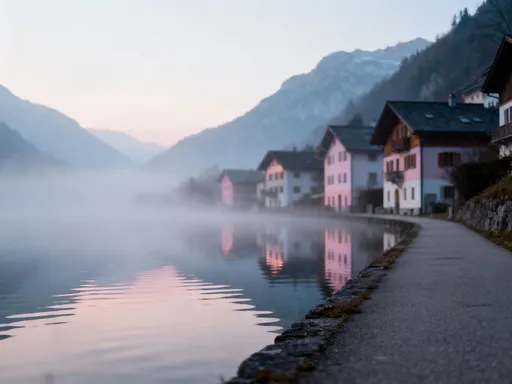
This connection between land and table has inspired a quiet revolution in how visitors experience the region. While many still come for the iconic views of Hallstatt reflected in the lake, an increasing number seek out deeper, sensory encounters. Travelers are no longer content with simply photographing beauty—they want to taste it, smell it, and carry it home in memory. The shift from passive sightseeing to immersive dining reflects a broader desire for authenticity, for moments that feel real and rooted. In Salzkammergut, that journey begins on the plate.
Secret Spots Where Locals Dine
While Hallstatt and St. Wolfgang attract crowds, the true soul of Salzkammergut’s food culture thrives in villages where tourism remains gentle and traditions run deep. Places like Grundlsee, Abersee, and Gößl welcome visitors not with neon signs or online rankings, but with warmth and quiet confidence. These are communities where families have lived for centuries, where recipes are guarded like heirlooms and hospitality is second nature.
In Gößl, a narrow road winds up from the Enns River into a valley where time seems to slow. There, tucked behind chestnut trees, is a modest guesthouse with no website and no presence on international booking platforms. The owner, Frau Huber, answers the phone each morning to take reservations by hand. Her menu changes daily—sometimes hourly—depending on what her neighbor brought in from the lake or what her sister picked from the mountainside. One evening, the special might be pan-seared perch with brown butter and wild herbs; the next, a slow-cooked beef stew served with hand-rolled spätzle.
What makes these places special is not just the food, but the absence of performance. There are no staged photoshoots, no influencer menus, no attempts to cater to fleeting trends. Instead, guests are treated like family. A child might run in with freshly picked strawberries. The dog naps by the wood stove. Conversations drift between dialects, and laughter fills the room between courses. These are not restaurants designed for Instagram—they are living rooms with tables, where food is shared, not served.
For travelers willing to venture beyond the guidebook, these hidden spots offer a rare intimacy. They represent a form of culinary tourism that values connection over convenience, seasonality over spectacle. And while they may be harder to find, their rewards are immeasurable: a meal that feels not just nourishing, but meaningful.
The Farm-to-Table Movement, Austrian Style
The farm-to-table philosophy is not a trendy import in Salzkammergut—it is a way of life that has existed long before the term was coined. Here, the journey from soil to plate is measured in meters, not miles. Small-scale farms, often no larger than a few hectares, supply nearby inns and family-run restaurants with produce harvested at peak ripeness. There is no need for refrigerated trucks or long distribution chains; instead, vegetables go from garden to kitchen within hours.
One such farm lies near the shores of Lake Altaussee, where the Berger family has raised dairy cows for over a century. Each morning, they milk their herd by hand before transforming the milk into a variety of cheeses. Some are aged in cool stone cellars, others in wooden huts perched at higher elevations, where the mountain air imparts a unique tang. Their most prized creation is a smoked mountain cheese, cold-smoked over beechwood for three days, giving it a depth of flavor that lingers on the palate.
These working farms, known locally as "Bauernhöfe," often open their doors to guests. Visitors can tour the barns, taste fresh milk straight from the cow, and sit down to a simple but satisfying meal in the farmhouse kitchen. A typical spread might include warm cheese on rye bread, pickled beets, and a boiled egg from free-range hens. There is no pretense, only honesty in every bite.
Equally important are the traditional methods used to preserve food for the long alpine winters. Smoking, fermenting, and curing are not nostalgic gestures—they are essential practices still in daily use. Charcuterie boards feature air-dried beef, spiced sausages, and smoked bacon, all made on-site. Lake fish are salted and cold-smoked, then served with boiled potatoes and dill. These techniques do more than extend shelf life—they deepen flavor, creating dishes that are rich, complex, and deeply satisfying. In Salzkammergut, preservation is not about survival; it is an art form.
Lakeside Dining: Meals with a View That Feels Unreal
There is something almost surreal about eating a meal while floating above water. In the Salzkammergut, several lakeside inns have built wooden terraces that extend over the surface of the lake, creating the illusion of dining on the water itself. On a calm morning, the reflection of the mountains shimmers beneath your table, and the only sounds are the gentle lap of waves and the distant call of a kingfisher.
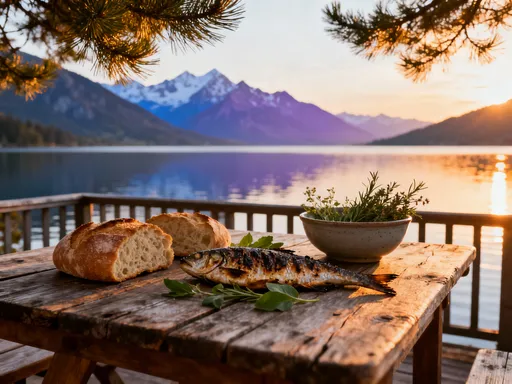
One of the most cherished spots is a family-run tavern on the northern shore of Lake Hallstatt. Reached by a short ferry ride, it has no road access, ensuring that only those who make the effort can enjoy its setting. The terrace, built from weathered pine planks, creaks softly underfoot. Guests sit at rough-hewn tables, their legs nearly brushing the water. The menu is simple: grilled whitefish caught that morning, served with lemon and fresh herbs, accompanied by a slice of dark rye bread and a glass of chilled Grüner Veltliner.
The fish, usually zander or char, is cooked over an open flame, its skin crisp and golden. The flesh is delicate, flaky, and carries the clean taste of cold alpine water. Paired with a wine grown in the nearby Traisental region, the meal achieves a perfect balance—light yet fulfilling, elegant yet unpretentious. As the sun begins to set, the sky turns pink and gold, and the mountains across the lake glow in silhouette. In that moment, the boundaries between nature and nourishment blur.
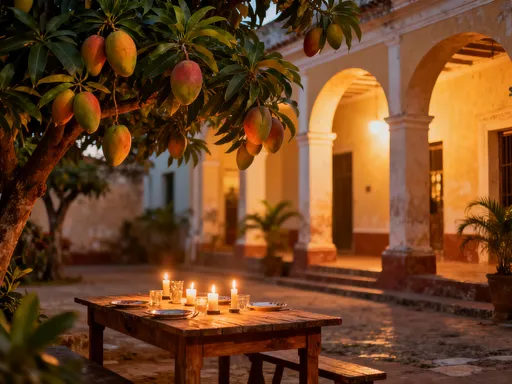
Similar experiences can be found around Lake Fuschl, where a centuries-old inn offers candlelit dinners on its floating platform. Guests arrive by rowboat, some even paddling themselves across the glassy surface. The atmosphere is intimate, romantic without being flashy. Children giggle as they dangle their feet in the water, while elders recount stories of summer vacations from decades past. These lakeside meals are not just about eating—they are about being present, about letting the world slow down long enough to savor a single, perfect bite.
Mountain Huts You Have to Hike to—And Why It’s Worth It
Some of the most memorable meals in Salzkammergut require effort—and that is precisely what makes them unforgettable. Scattered across the high alpine pastures are mountain huts, known as "Almen" or "Alms," accessible only by foot. These rustic lodges, often run by a single family during the summer months, offer basic shelter and hearty food to hikers who make the climb.
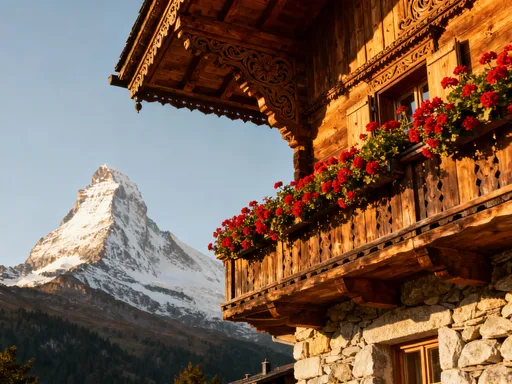
One such destination is the Gößlkogel Alm, reachable via a moderate two-hour hike from the village of Gößl. The trail winds through meadows dotted with edelweiss, past small waterfalls and ancient larch trees. As the elevation rises, the air grows cooler and sharper. The final stretch is steep, but the reward is immediate: a wooden hut with a red tin roof, smoke curling from the chimney, and the smell of butter and caramelized onions drifting into the open air.
Inside, the dining area is simple—long communal tables, benches carved from pine, and a cast-iron stove in the corner. The menu is short: a warming soup, a plate of Kasnocken (cheese dumplings fried with onions), or a fluffy Kaiserschmarrn served with apple compote. Tea is brewed from mountain herbs—alpine mint, yarrow, and lady’s mantle—picked that morning. There is no electricity, no Wi-Fi, no menu in English. And yet, the experience feels richer for its simplicity.
There is a profound satisfaction in eating after a long hike. The body, tired and hungry, receives food not as indulgence but as gift. The flavors seem more intense, the warmth more comforting. Sitting at that table, surrounded by strangers who have all made the same journey, there is a quiet camaraderie. No one speaks much. They eat, they rest, they gaze out at the endless peaks. In that stillness, something deeper than digestion takes place—a reconnection with nature, with effort, with the simple joy of being alive.
Traditional Dishes With a Story Behind Every Bite
The cuisine of Salzkammergut is not about innovation—it is about continuity. Dishes have been prepared the same way for generations, their recipes passed down from mother to daughter, grandfather to grandson. Each bite carries the weight of memory, the echo of countless family meals shared around wooden tables.
Take "Salzkammergut trout," for example. This is not a generic label but a specific preparation method. The fish is cleaned and scaled, then pan-fried in butter until the skin crackles. It is served with a parsley sauce made from fresh herbs and a splash of white wine. The recipe varies slightly from village to village, but the essence remains: respect for the ingredient, simplicity in execution.
Another staple is "grey pea soup," a humble dish with deep roots. Made from dried field peas, smoked pork hock, and root vegetables, it simmers for hours until thick and fragrant. It was once the food of miners and farmers—filling, affordable, and sustaining. Today, it is cherished as comfort food, especially in the colder months. Many families serve it on Sundays, often accompanied by a slice of sourdough and a knob of butter.
Perhaps the most beloved dish is Kasnocken—cheese dumplings made from leftover bread, mixed with farmers’ cheese, onions, and parsley, then pan-fried until golden. In an interview with a local cook named Maria, she described how her grandmother would prepare them after Sunday mass. "She never measured anything," Maria recalled. "She said the recipe was in her hands, not in a book. She knew when the dough felt right, when the cheese had enough salt." Maria now makes them the same way, teaching her own daughters to trust their instincts.
These dishes are more than food—they are acts of preservation. In a world of fast meals and global flavors, they represent a quiet resistance. They say: this is who we are. This is where we come from. And as long as someone remembers how to make grey pea soup or fry a perfect Kasnocken, that identity endures.
How to Find These Experiences Without Getting Lost
Discovering Salzkammergut’s hidden dining scene requires a blend of planning and openness. While spontaneity can lead to wonderful surprises, a few practical steps can help ensure you don’t miss the best moments. Start by visiting local tourism offices in towns like Bad Ischl, Hallstatt, or Altaussee. The staff are often locals themselves and can recommend family-run inns that don’t advertise online.
Another excellent option is to join a guided food walk or culinary tour. These small-group experiences, usually led by food-loving residents, take guests to off-the-beaten-path eateries, farms, and markets. You’ll not only taste exceptional food but also learn about its history and cultural significance. Some tours even include cheese-making demonstrations or herb-picking excursions.
When dining out, don’t hesitate to ask for the "Tipp vom Wirt"—the owner’s recommendation. This simple phrase often unlocks the day’s freshest offerings, whether it’s a fish special or a seasonal soup made with foraged ingredients. Many of the best dishes aren’t listed on the menu; they exist only in the kitchen, waiting to be shared.
Timing matters, too. Late spring and early autumn are ideal for visiting. The weather is mild, the trails are clear but not crowded, and the produce is at its peak. Summer brings beauty but also tourists; winter offers charm but limits access to mountain huts. Traveling in shoulder seasons allows for a more relaxed, immersive experience.
Finally, come prepared. Renting a car gives you the freedom to explore remote villages and hidden lakeside spots. And while credit cards are accepted in cities, many small inns and farm kitchens operate on a cash-only basis. Carrying euros in small denominations ensures you won’t miss out on a spontaneous stop at a roadside cheese stand or a family table in the hills.
The true heart of Salzkammergut isn’t just in its landscapes—it’s on the plate. These secret dining moments transform a simple trip into a lasting connection with place and people. By stepping off the beaten path, you don’t just eat; you remember what it means to savor.