You Won’t Believe What I Found in Manila’s Food Scene
Manila’s food culture is a wild ride of flavors, textures, and unexpected discoveries. I didn’t expect to fall head over heels for street food served on plastic stools, but here we are. From smoky grills on every corner to hidden eateries tucked behind busy markets, every bite tells a story. This city doesn’t just feed you—it wows you. If you think you know Filipino food, think again. The real magic? It’s not in fancy restaurants. It’s where the locals eat. And trust me, you gotta check this out.
The Heartbeat of Manila: Food as Culture
Food in Manila is not simply about hunger. It is a living expression of identity, history, and community. Every dish carries the imprint of centuries of cultural exchange—Malay roots, Chinese trade, Spanish colonization, and American influence all swirl together in a single meal. A plate of pancit noodles, for instance, traces back to Chinese immigrants who settled in Binondo over 400 years ago, while the beloved adobo—slow-cooked in vinegar, soy sauce, garlic, and bay leaf—reflects both indigenous preservation techniques and Spanish culinary traditions. Even the humble sandwich, known as a silog (a portmanteau of sinangag, or garlic rice, and itlog, meaning egg), reveals how American breakfast culture merged with local tastes to create something entirely new and deeply satisfying.
Understanding this layered history transforms the act of eating into something richer. When you sit down to a meal in Manila, you’re not just tasting ingredients—you’re experiencing a story of survival, adaptation, and celebration. The frequent use of coconut milk in stews like laing or ginataang hipon speaks to the abundance of tropical resources, while the tang of vinegar in kinilaw (a Filipino ceviche) points to pre-colonial methods of fish preservation. These elements are not mere flavorings; they are echoes of a resilient people who made the most of what their land and seas provided.
The sensory experience of Manila’s food culture begins long before the first bite. The air hums with the sizzle of grills, the sweet scent of caramelizing sugar in halo-halo stands, and the pungent aroma of fermented fish sauce wafting from market stalls. Garlic crackles in hot oil, vinegar cuts through the humidity, and chili peppers add fire to everything from dipping sauces to street snacks. These are the notes of a culinary symphony that plays in every neighborhood, from quiet residential streets to the busiest corners of downtown. To eat in Manila is to be immersed in a culture where food is both comfort and conversation, memory and innovation.
Where the Locals Eat: Beyond Tourist Zones
If you want to taste the soul of Manila, skip the glossy restaurants in shopping malls and follow the locals to their everyday haunts. The true heartbeat of the city’s food scene pulses in carinderias—small, family-run eateries often marked by red plastic stools, handwritten menus, and the constant clatter of plates. These unassuming spots serve some of the most flavorful and affordable meals in the city, with daily specials like caldereta (a rich, tomato-based stew with beef or liver) or pinakbet (a vegetable medley cooked with shrimp paste). Prices are modest—often under $2 for a full plate—but the portions are generous, and the warmth of the staff makes every guest feel like family.
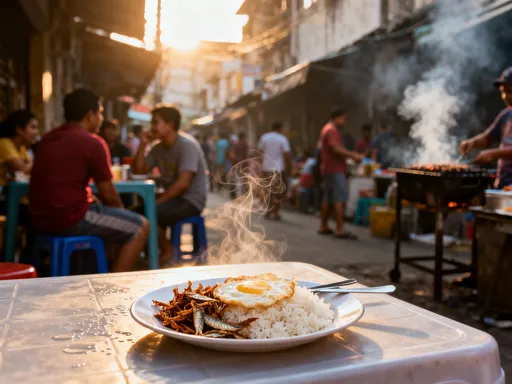
Equally essential are the sidewalk grills and roadside stalls that come alive at dusk. In areas like Quiapo, Malate, and Cubao, entire meals are cooked over open flames: skewers of pork barbecue, whole grilled fish wrapped in foil, and skewered chicken hearts and intestines known as isaw. These open-air kitchens are not just places to eat—they are social hubs where neighbors gather, drivers on break refuel, and friendships are forged over shared plates. The atmosphere is lively, unpretentious, and deeply authentic. There’s no menu translation needed, no curated experience—just real food, real people, and real connection.
For visitors, navigating these spaces can feel intimidating at first. Language barriers, cash-only transactions, and the sheer pace of service may seem daunting. But a few simple tips can make all the difference. Look for stalls with high turnover—long lines usually mean fresh food and satisfied customers. Observe how locals order: often with a point, a smile, and a quick nod. Bring small bills, as change can be hard to come by, and don’t be afraid to gesture or use basic Tagalog phrases like 'magkano?' (how much?) or 'isa, salamat' (one, thank you). Most importantly, embrace the messiness. Eating with your hands, wiping your fingers on a paper napkin, and laughing at your own fumbles are all part of the experience. In Manila, authenticity isn’t polished—it’s lived.
Breakfast Like a Local: Starting the Day with Flavor
In Manila, breakfast is not a quiet affair. It’s a full-flavored launch into the day, often eaten before sunrise by workers, students, and market vendors. The most iconic morning meal is tapsilog—a triumvirate of marinated beef (tapa), garlic fried rice (sinangag), and a sunny-side-up egg (itlog). Served on a single plate, this hearty combination delivers a balance of savory, salty, and rich textures that awaken the senses. The beef is typically cured overnight, giving it a deep umami flavor, while the garlic rice is golden and fragrant, each grain separated and crisp at the edges. A splash of soy sauce or a squeeze of calamansi (a local citrus) ties it all together, creating a dish that feels both indulgent and deeply nourishing.
For something sweeter, many Manileños turn to champorado, a warm chocolate rice porridge that’s both comforting and energizing. Made with sticky rice, cocoa powder, and milk, it’s often served with a side of dried fish—a surprising but traditional pairing that balances sweetness with saltiness. Other popular breakfast options include longsilog (pork longganisa sausage with garlic rice and egg) and daing silog (dried, fried fish with the same rice and egg combo). These meals are not just about taste; they’re designed to sustain energy through long, humid days.
The best places to enjoy these morning staples are neighborhood carinderias, roadside stalls, and even food carts parked near schools and transit hubs. Many open as early as 5:00 a.m., serving steaming plates to people on their way to work or class. Some specialized breakfast spots, like those in the Sampaloc or Santa Mesa districts, have built loyal followings over decades. To experience this ritual fully, rise early and join the flow of daily life. Order a cup of barako coffee—strong, locally grown, and served black—and watch the city wake up around you. There’s something deeply grounding about starting your day the way locals do: with bold flavors, warm company, and a sense of purpose.
Street Food Adventures: Safe, Spicy, and Addictive
Manila’s street food is legendary, and for good reason. It’s accessible, affordable, and bursting with flavor. From skewers of grilled meat to steaming cups of noodle soup, the options are endless. But for the uninitiated, the bolder offerings can be intimidating—especially dishes like balut (a fertilized duck egg with a partially developed embryo) or isaw (grilled chicken intestines). These are not just novelty items; they are beloved snacks with devoted fans across the city. The key to enjoying them is not just courage, but knowing how to choose wisely.
Safety is a common concern, but with a few practical guidelines, street food can be both delicious and safe. First, look for stalls with high turnover—food that moves quickly is less likely to sit out too long. Second, observe hygiene: vendors who use tongs, gloves, or clean utensils are more likely to prioritize cleanliness. Third, follow the crowd. If a stall is packed with locals, especially workers or families, it’s a strong sign of quality and freshness. Avoid anything that smells off, looks discolored, or is kept uncovered in direct sunlight.
Some of the most popular street foods include fish balls—deep-fried orbs of fish paste served with a spicy-sweet orange sauce—and kwek-kwek, bright orange quail eggs coated in orange batter and deep-fried. Betamax refers not to the old video format but to cubes of coagulated chicken or pork blood, grilled and skewered like the retro cassette. While the name is a joke, the snack is serious business—crispy on the outside, tender within, and often dipped in vinegar with chili. For those willing to try balut, the experience is unique: a warm, savory broth inside the shell, followed by rich, soft textures. It’s not for everyone, but for many Filipinos, it’s a cherished comfort food, often enjoyed with beer in the evening.
The beauty of Manila’s street food lies in its accessibility and variety. You don’t need a reservation or a wallet full of cash—just curiosity and an open mind. Each bite offers a glimpse into the creativity and resourcefulness of Filipino cuisine, where every part of the animal is used, and nothing goes to waste. These foods are not just about sustenance; they’re about community, tradition, and the joy of sharing something bold and unforgettable.
Market Hopping: From Binondo to Divisoria
For a true immersion into Manila’s food culture, a visit to its markets is essential. Two of the most vibrant—Binondo and Divisoria—offer vastly different but equally rewarding experiences. Binondo, recognized as the world’s oldest Chinatown, is a feast for the senses. Narrow streets overflow with noodle shops, dim sum parlors, and bakeries selling hopia (sweet bean-filled pastries) and siopao (steamed buns). The aroma of roasting pork from Chinese barbecue stalls fills the air, mingling with the scent of incense from nearby temples. Here, Filipino-Chinese fusion is on full display: dishes like pancit bihon (thin rice noodles with vegetables and meat) and lumpia (spring rolls) are staples of both communities.
Visitors to Binondo should arrive hungry and ready to explore. Some of the best meals are found in unmarked eateries tucked between shops, where generations of families have perfected their recipes. Try a bowl of mami (noodle soup with beef or pork) at a decades-old stall, or order a plate of crispy pata (deep-fried pork knuckle) at a bustling restaurant. The key is to go during off-peak hours if possible, as lunchtime can bring overwhelming crowds. Public transportation is the most practical way to reach Binondo—jeepneys and taxis navigate the narrow streets more easily than private cars.
Just a short ride away, Divisoria offers a different kind of energy. Known as a bargain shopper’s paradise, it’s also a treasure trove of local snacks and street food. Plastic bins overflow with dried fish, pickled fruits, and sweetened coconut strips. Stalls sell kakanin—traditional rice cakes made with coconut milk and palm sugar—in varieties like puto (steamed rice muffins), bibingka (baked rice cake with cheese), and sapin-sapin (a layered, colorful dessert). The market moves at a rapid pace, with vendors calling out prices and shoppers haggling with ease.
For food lovers, Divisoria is a chance to taste the everyday treats that fill Filipino pantries. It’s also a lesson in resourcefulness—how simple ingredients are transformed into something delightful. While the environment can be chaotic, with narrow aisles and constant movement, it’s also deeply authentic. Go early in the morning to avoid the midday heat, wear comfortable shoes, and keep your belongings secure. And don’t forget to try the fresh buko juice—served straight from the coconut—for a refreshing break between bites.
Modern Twists: How Chefs Are Reinventing Tradition
While Manila’s food culture thrives on tradition, a new generation of chefs is redefining what Filipino cuisine can be. In neighborhoods like Makati, BGC (Bonifacio Global City), and Quezon City, contemporary restaurants are elevating heritage dishes with modern techniques, elegant plating, and global influences—without losing their soul. These chefs aren’t replacing tradition; they’re honoring it with innovation. A plate of kare-kare, the rich peanut-based stew traditionally served with oxtail and vegetables, might be presented with sous-vide meat and edible flowers. Sinigang, the sour tamarind soup, could be served in a delicate broth with heirloom tomatoes and microgreens, enhancing its natural tang without masking it.
One of the most exciting aspects of this movement is its respect for authenticity. Chefs like those at Toyo Eatery, Gallery Vask, and Metiz bring deep knowledge of regional Filipino cooking to their menus, sourcing ingredients from local farmers and reviving nearly forgotten recipes. Lechon, the iconic roasted pig, might be served in a deconstructed form—crispy skin, tender meat, and liver sauce arranged like a work of art—but the flavor remains unmistakably Filipino. These restaurants attract both locals and tourists, creating spaces where tradition and modernity coexist.
The rise of these establishments reflects a growing pride in Filipino identity. After years of colonial influence and cultural imitation, there’s a renewed confidence in the value of local flavors. Young chefs are not just cooking—they’re telling stories, preserving heritage, and inviting the world to see Filipino cuisine as something sophisticated, diverse, and worthy of global recognition. For travelers, dining at these restaurants offers a bridge between the familiar street food and the elevated culinary arts, showing that Filipino food is not static—it’s evolving, vibrant, and full of possibility.
How to Eat Like You Belong: A Traveler’s Guide
To truly experience Manila’s food culture, it’s not enough to just eat—you have to engage. The goal is not perfection, but participation. Start by learning a few basic Tagalog phrases: 'Salamat' (thank you), 'Magkano?' (how much?), and 'Ang sarap!' (It’s delicious!) go a long way in building rapport. Tipping is not expected in most local eateries, but leaving a small extra amount or rounding up the bill is appreciated. In higher-end restaurants, a 10% service charge is often included, so additional tipping is optional.
When ordering, don’t hesitate to point, smile, or ask for recommendations. Many vendors are happy to explain what they’re selling, especially if you show genuine interest. Eat with your hands when appropriate—dishes like sisig (a sizzling plate of chopped pork face and liver) or grilled seafood are meant to be scooped with rice using your fingers. Use the back of your spoon to push food onto it, and never stick chopsticks upright in a bowl of rice—it resembles a funeral ritual and is considered disrespectful.
For a fulfilling one-day food itinerary, start early with tapsilog at a neighborhood carinderia. Head to Binondo by mid-morning to explore its dim sum stalls and bakeries. Have lunch at a modern Filipino restaurant to experience the fusion of tradition and innovation. In the afternoon, cool down with halo-halo (a shaved ice dessert with sweet beans, fruit, and leche flan) from a street vendor. As evening falls, join the crowd at a sidewalk grill for isaw, fish balls, and a bottle of local soda or beer. End the night with a warm cup of tsokolate (hot chocolate made from tablea, or cocoa tablets) in a quiet plaza.
The most important rule? Be present. Put your phone down, savor each bite, and engage with the people around you. Manila’s food scene is not just about what’s on the plate—it’s about connection, resilience, and joy. Every meal invites you deeper into the city’s rhythm. By stepping off the beaten path and embracing the messy, flavorful truth of everyday dining, travelers don’t just eat well—they belong. The real discovery? That the best journeys are tasted, one bold bite at a time.