Hallstatt’s Fairy-Tale Facade Hides These Travel Traps
You know that postcard-perfect village with the mirror-like lake and pastel houses? Yeah, Hallstatt. I went expecting peace and got crowds, prices, and photo lines instead. The architecture is absolutely stunning—like something from a dream—but the reality of visiting can be rough. What looks like a hidden gem is now a hotspot, and many travelers walk right into the same pitfalls. Let me break down what no one tells you before you go.
First Impressions: Why Hallstatt Feels Like a Dream (and a Disney Set)
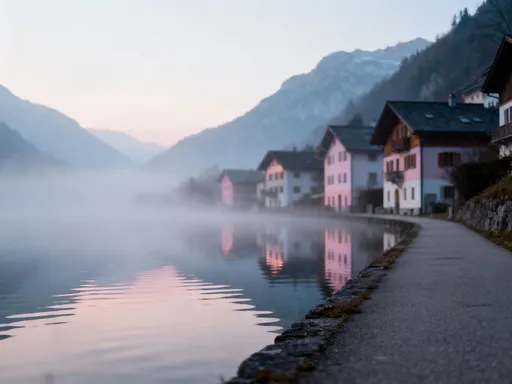
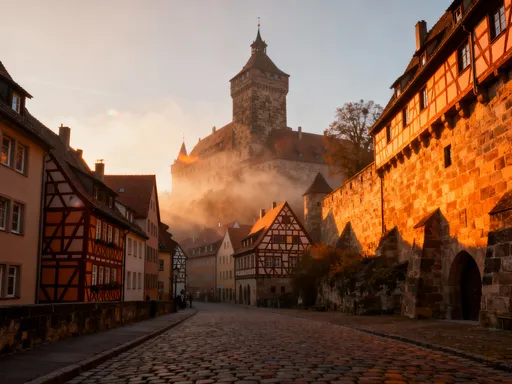
From the first glimpse, Hallstatt delivers a visual punch few destinations can match. Nestled between the steep slopes of the Dachstein Mountains and the glassy surface of Hallstätter See, the village unfolds like a carefully painted diorama. Rows of 16th-century alpine homes, painted in soft pinks, buttery yellows, and minty greens, line the narrow strip of land between water and rock. Their wooden balconies overflow with geraniums in summer, while slate roofs tilt sharply to shed winter snow. The reflections ripple gently in the lake, doubling the beauty in still morning light. It is, without exaggeration, one of the most photographed scenes in Austria.
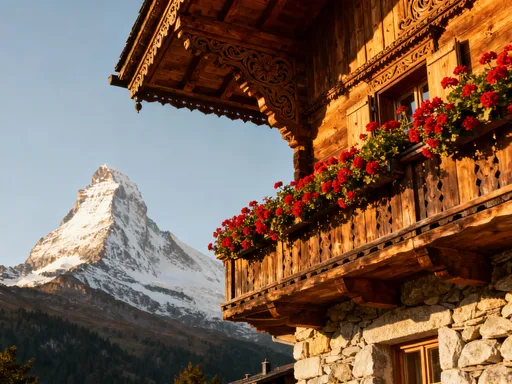
This breathtaking aesthetic is no accident. Hallstatt’s architecture follows the traditional Salzkammergut style, shaped by centuries of salt mining and alpine life. The buildings were constructed to withstand harsh mountain weather, with thick walls, narrow footprints, and high-pitched roofs. Wooden shutters and hand-carved details add charm, while flower boxes burst with color from May through September. The village’s historical significance was recognized in 1997 when UNESCO designated the entire region a World Heritage Site, citing both its cultural landscape and archaeological importance. At the time, it was a quiet honor for a modest lakeside community.
What no one could have predicted was how digital culture would amplify that recognition. A single viral photo on Instagram or Pinterest was enough to catapult Hallstatt into global consciousness. Suddenly, the village wasn’t just a heritage site—it became a symbol of idyllic European beauty. Travel influencers, bloggers, and casual tourists alike flocked to capture the “perfect” shot. The emotional impact of arriving is undeniable. Many visitors report a sense of awe, as if stepping into a fairy tale or a film set. But that wonder is often followed by a quieter realization: they are not the only ones feeling it. Thousands share the sentiment—on the same day, at the same hour, along the same crowded pathway.
The Overtourism Problem: When Beauty Becomes a Burden
The surge in popularity has transformed Hallstatt from a tranquil mountain village into one of Europe’s most congested tourist spots. On peak summer days, as many as 10,000 visitors arrive—far exceeding the permanent population of just over 750 residents. Most come as day-trippers, arriving via tour buses from Salzburg or Vienna, or disembarking from lake ferries packed with sightseers. The village’s main promenade, barely wide enough for two people to walk side by side, becomes a bottleneck of slow-moving crowds. The famous photo viewpoint at the end of Marktplatz often has a 30-minute wait, with tourists lining up like theme park guests for a rollercoaster.
This overwhelming influx strains every aspect of daily life. Local shop owners report that during high season, their stores are less places of commerce and more human traffic corridors. Residents describe difficulty walking to the bakery or post office without weaving through selfie sticks and tripod setups. Noise levels rise significantly, especially in the early morning when tour groups arrive before 8 a.m. Waste management becomes a challenge, with public bins overflowing despite frequent emptying. The local government has had to install additional trash stations and hire seasonal staff just to manage litter along the lakefront.
More than physical strain, there’s a cultural cost. The rhythm of village life—once dictated by seasons, church bells, and community events—has been disrupted. Traditional practices like fishing, gardening, and small-scale farming are increasingly overshadowed by the demands of tourism. Children playing in front yards find their space invaded by cameras. Elderly residents express concern that Hallstatt is becoming a museum exhibit rather than a living community. While tourism brings economic benefits, it also risks erasing the very authenticity that drew people in the first place. The village remains beautiful, but the weight of admiration is beginning to show.
Chasing the Perfect Shot: How Social Media Fuels Unrealistic Expectations
Social media has played a pivotal role in shaping how travelers see Hallstatt—often in ways that distort reality. A single image of the village at dawn, bathed in golden light with no people in sight, circulates endlessly across platforms. These curated moments suggest solitude and serenity, creating an expectation that is nearly impossible to fulfill during regular visiting hours. The truth is, such photos are usually taken before 6 a.m. or after 9 p.m., when the crowds have dispersed. Most visitors, arriving between 10 a.m. and 4 p.m., encounter a very different scene: packed sidewalks, overlapping tour groups, and vendors calling out in multiple languages.
The pressure to replicate these idealized images leads many tourists to prioritize photography over experience. They rush from one “must-capture” spot to the next, often missing the subtle details that make Hallstatt special—the sound of church bells echoing across the lake, the scent of fresh bread from a local bakery, the quiet conversation between neighbors on a bench. Some visitors become frustrated when their photos don’t match the ones they saw online, unaware that the version they admired was likely edited, timed, or taken under exceptional circumstances.
Yet there is a way to reconcile digital inspiration with real-world travel. Managing expectations is key. Understanding that Hallstatt is a living place, not a stage set, allows for a more respectful and fulfilling visit. Instead of chasing the same angle used by thousands, travelers can explore lesser-known perspectives—views from the ferry, quiet lanes behind the main street, or the path leading to the Protestant church. These spots offer beauty without the bottleneck. More importantly, they allow space for genuine connection, not just documentation. When travelers shift from collecting photos to absorbing moments, the village reveals a deeper, more lasting charm.
Architecture That Wows—But at What Cost?
The architectural beauty of Hallstatt is rooted in both function and history. The village’s location—wedged between mountain and lake—necessitated vertical construction and efficient use of space. Homes were built upward rather than outward, with narrow facades and multiple stories. The steep roofs, often covered in slate or tile, were designed to prevent snow accumulation, while overhanging eaves protected wooden walls from rain. Ornate carvings on balconies and gables reflect the craftsmanship of a pre-industrial era, when wood was the primary building material and decoration was a mark of pride.
Equally significant is the village’s connection to salt. Hallstatt’s name derives from “Salz” (salt) and “Statt” (place), and salt mining dates back over 7,000 years. The wealth generated from this industry funded the construction of many of the grander homes and public buildings. The Catholic Church of the Assumption, with its Baroque interior and prominent spire, stands as a testament to the region’s historical prosperity. Even today, visitors can tour the Salt Mine, descending into the mountain via a wooden slide that has been in use for centuries.
But the very features that attract admiration also face growing threats. Constant foot traffic, especially on the wooden boardwalks and historic stone steps, accelerates wear and tear. Moisture from the lake contributes to wood rot and foundation instability, while fluctuating temperatures cause materials to expand and contract. Preservation efforts are ongoing, with local authorities enforcing strict renovation guidelines to maintain historical integrity. However, the cost of upkeep is high, and not all property owners can afford it. Some buildings have been converted into souvenir shops, cafes, or Airbnb rentals, altering their original use and character. While these changes bring income, they also dilute the village’s residential authenticity. The challenge now is to preserve the architecture not just as a backdrop for photos, but as a living, functional part of a community.
Hidden Pressures Behind the Pretty Facades
Beyond the visual appeal, Hallstatt faces deep structural challenges driven by its popularity. One of the most pressing is the rise in living costs. As demand for vacation homes and short-term rentals increases, property values have soared. Longtime residents, particularly retirees and fixed-income families, find it harder to afford housing. Some have been forced to sell and relocate to nearby towns, leading to a gradual erosion of intergenerational continuity. The village risks becoming a seasonal enclave for tourists and second-home owners rather than a year-round community.
Employment patterns have also shifted. While tourism provides jobs in hospitality, retail, and transportation, these roles are often seasonal, offering limited stability. Workers may earn well in summer but face unemployment or underemployment in winter. This imbalance makes long-term financial planning difficult, especially for young adults considering whether to stay or seek opportunities elsewhere. At the same time, the reliance on tourism makes the local economy vulnerable to external shocks—such as pandemics, economic downturns, or changes in travel trends.
In response, local leaders and organizations have launched initiatives to balance preservation with sustainability. Measures include limiting the number of new short-term rental permits, promoting off-season tourism through winter festivals and cultural events, and supporting local craftspeople and food producers. Educational programs help residents share their heritage directly with visitors, fostering deeper understanding. These efforts reflect a growing awareness that Hallstatt’s future depends not just on protecting its appearance, but on nurturing its soul. The goal is not to stop tourism, but to reshape it—making it more respectful, balanced, and beneficial for everyone involved.
Smart Travel Tactics: How to Visit Respectfully and Meaningfully
Visiting Hallstatt doesn’t have to contribute to its problems. With thoughtful planning, travelers can enjoy the village while minimizing their impact. One of the most effective strategies is choosing the right time to visit. Peak summer months—June through August—draw the largest crowds. In contrast, late autumn (October to early November) and winter (December to February, excluding holiday weeks) offer a quieter, more intimate experience. The snow-dusted roofs and frozen lake create a different kind of magic, and the absence of tour buses allows for peaceful walks along the shore.
For those who visit during high season, timing is everything. Arriving early—by 7 or 8 a.m.—means beating the bulk of the day-trippers. The morning light is soft, the air crisp, and the streets nearly empty. This is the best window to experience Hallstatt as locals do. Alternatively, staying overnight provides a rare glimpse of the village after the crowds leave. With a hotel or guesthouse booking, visitors can return to the main street in the evening, when the lights reflect on the water and the atmosphere turns serene. A moonlit walk along the lake is an unforgettable experience, far removed from the daytime bustle.
Transportation choices also matter. Driving to Hallstatt is discouraged; private vehicles are banned from the center, and parking is extremely limited. Instead, travelers are advised to take the train to Hallstatt station, then board the ferry across the lake. Not only is this route scenic, but it also reduces congestion and emissions. Once in the village, walking is the only option, so comfortable shoes are essential. For those with mobility concerns, the ferry and train are fully accessible, and some accommodations offer assistance. By choosing sustainable transport and respecting local rules, visitors become part of the solution rather than the problem.
Rethinking the Ideal: Traveling with Awareness, Not Just Wanderlust
Hallstatt forces us to confront a deeper question: what does it mean to truly visit a place? Is it enough to stand in the right spot, take the perfect photo, and move on? Or should travel be about connection—understanding, respect, and shared humanity? The village’s beauty is undeniable, but it is also fragile. Every footprint, every snapped photo, every purchased souvenir carries weight. When admiration turns into invasion, even the most cherished destinations can begin to fray.
The answer lies in traveling with awareness. This means recognizing that Hallstatt is not just a backdrop, but a home. It belongs to people who wake up there every day, who care for its history, and who want to preserve it for future generations. Travelers can honor that by moving slowly, listening more, and taking less—not just in physical space, but in attention and demand. It means supporting local businesses, following posted guidelines, and leaving no trace. It means valuing the quiet moment over the viral one.
Ultimately, the most meaningful journeys are not measured in photos, but in presence. They are the ones where we see a place not as an escape, but as a mirror—reflecting our values, our choices, and our capacity for care. Hallstatt does not need to be perfect. It needs to be protected. And that responsibility does not fall only on locals. It belongs to every visitor who arrives with wonder in their heart and respect in their step. By traveling thoughtfully, we don’t just see the world—we help sustain it.