Wood, Stone, and Mountain Whispers: Grindelwald’s Architecture Stole My Soul
Nestled at the foot of the Eiger, Grindelwald doesn’t just offer alpine views—it speaks through its buildings. I never expected wooden chalets with carved eaves and flower-filled balconies to feel so artistic. These structures aren’t just homes; they’re stories in timber and stone. Blending centuries-old tradition with mountain necessity, the architectural style here is quiet poetry. Let me take you through a world where every gabled roof and sun-warmed facade feels like a brushstroke on nature’s canvas. This is not architecture as mere shelter, but as a dialogue between people and place, where every beam and stone has been chosen with care, shaped by weather and heritage. In Grindelwald, beauty is not accidental—it is cultivated, preserved, and lived.
First Impressions: When the Village Feels Like a Living Painting
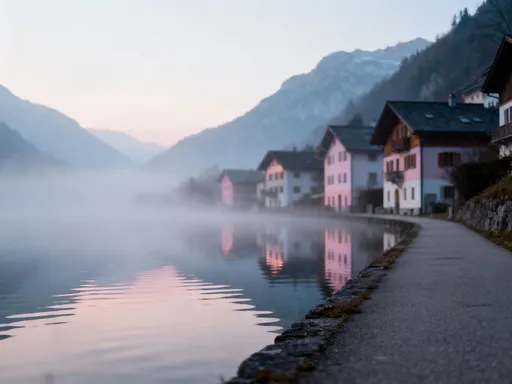
Arriving in Grindelwald is like stepping into a landscape painting that breathes. The village unfolds gently along the valley floor, framed by the towering silhouette of the Eiger to the south and flanked by the jagged peaks of the Wetterhorn and Männlichen. What strikes visitors immediately is not just the grandeur of the mountains, but the harmony between the built environment and the natural one. The chalets, clustered like a family gathered for warmth, rise from the green meadows with an effortless grace. Their dark wooden walls contrast with snow-white trim, and their steeply pitched roofs mirror the angles of the surrounding peaks. It is as if the architecture itself has learned from the mountain’s geometry.
The visual rhythm of the village is soothing yet stimulating. Buildings are arranged not in rigid grids, but in organic clusters that follow the curves of the land. Some perch on gentle inclines, their foundations supported by local stone, while others nestle into clearings where the forest has made space. This careful placement ensures that no structure overwhelms the landscape. Instead, each one contributes to a larger composition—like notes in a musical phrase, distinct yet part of a harmonious whole. The colors, too, are deliberately muted: earthy browns, forest greens, and soft whites dominate, ensuring that the buildings enhance rather than compete with the alpine scenery.
Even the pathways through the village are designed with aesthetic awareness. Cobblestone lanes and wooden footbridges connect homes and shops, guiding the eye gently from one architectural detail to the next. Sunlight plays a crucial role in this sensory experience. In the morning, golden light washes over the eastern-facing facades, warming the wood and making the geraniums in the window boxes glow like embers. By afternoon, shadows stretch long across the meadows, deepening the contrast between light and dark, timber and stone. This interplay of light and material is not accidental—it is part of what makes Grindelwald feel less like a destination and more like a living work of art.
The Heart of Tradition: Understanding Swiss Alpine Chalet Design
The architecture of Grindelwald is rooted in the Swiss alpine chalet tradition, a style shaped by necessity, climate, and craftsmanship. At first glance, these buildings appear charming and rustic, but their design is deeply functional. The most defining feature—the steeply pitched roof—is not merely decorative. It serves a vital purpose: allowing heavy snowfall to slide off easily, preventing structural damage during long winters. These roofs are typically covered in wooden shingles or metal sheets, materials chosen for durability and their ability to withstand extreme weather. The wide eaves extend far beyond the walls, protecting the wooden structure from rain and snowmelt while creating shaded areas ideal for summer relaxation.
Another hallmark of the chalet style is the use of local materials. The primary building wood is spruce or pine, harvested from nearby forests and carefully seasoned before use. These softwoods are lightweight, insulating, and easy to work with, making them ideal for intricate carpentry. The lower levels of many chalets are built on stone foundations, which provide stability on uneven terrain and protect the wooden walls from moisture and frost heave. This combination of wood and stone creates a visual balance—warmth above, solidity below—that feels both grounded and inviting.
The layout of traditional chalets also reflects centuries of adaptation to mountain life. Living spaces are typically located on the upper floors, where warmth rises and sunlight enters through large windows. The ground floor is often reserved for storage, livestock, or workshops—areas less sensitive to temperature fluctuations. This vertical organization maximizes comfort and efficiency in a climate where every degree of heat matters. Over time, these practical choices have evolved into aesthetic standards. The symmetry of windows, the alignment of balconies, and the careful proportion of elements all contribute to a sense of order and balance that feels inherently peaceful.
Ornament as Language: Carvings, Colors, and Flower Boxes
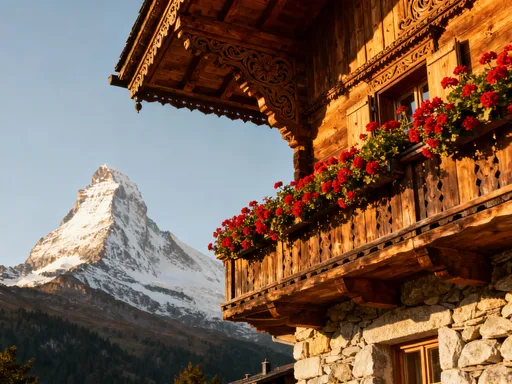
While function shapes the foundation of Grindelwald’s architecture, it is the ornamentation that gives it soul. Every chalet tells a story not just through its form, but through its details. Hand-carved woodwork around windows, doors, and eaves is a signature element, often featuring floral motifs, geometric patterns, or symbolic shapes passed down through generations. These carvings are more than decoration—they are expressions of identity, craftsmanship, and pride. Many families commission unique designs that reflect their heritage or personal tastes, turning their homes into personalized works of art.
Color, too, plays a symbolic role. Green shutters are a common sight, echoing the forests that surround the village. White trim outlines windows and doors, enhancing contrast and drawing attention to architectural lines. These color choices are not arbitrary; they are part of a regional palette that has evolved over time to complement the natural environment. Even the paint itself is often made from natural pigments, ensuring that the colors age gracefully rather than fade harshly under alpine sunlight.
Perhaps the most beloved decorative feature is the flower box. Filled with vibrant red geraniums, these window boxes bloom from late spring through early autumn, adding bursts of color that animate the wooden facades. Maintaining these flowers is a point of pride for residents, and competitions are sometimes held to recognize the most beautifully kept homes. The geraniums are more than ornamental—they signal care, continuity, and a deep connection to seasonal rhythms. In a place where winters are long and dark, the return of flowers each year feels like a quiet celebration of resilience and renewal.
Architecture in Dialogue with Nature
One of the most remarkable aspects of Grindelwald’s architecture is how seamlessly it integrates with the natural world. These buildings do not dominate the landscape—they respond to it. Orientation is carefully considered; many homes are positioned to maximize exposure to southern sunlight, reducing heating needs and brightening interiors during short winter days. Large windows on the sun-facing sides capture solar gain, while overhanging eaves provide shade in summer, naturally regulating indoor temperatures.
Insulation is another area where tradition meets innovation. While older chalets relied on thick wooden walls and straw-filled partitions for warmth, modern renovations often incorporate sustainable materials like sheep’s wool or recycled cellulose, maintaining thermal efficiency without compromising authenticity. Ventilation systems are discreetly integrated into the structure, ensuring air quality without disrupting the visual harmony of the exterior. Even drainage is thoughtfully managed, with gutters and downspouts designed to channel water away from foundations while blending into the woodwork.
The village lies within a protected alpine zone, and strict regulations ensure that new construction respects the character of the area. Developers must adhere to guidelines that limit building height, roof pitch, and material choices. As a result, there are no glass towers or concrete blocks to disrupt the skyline. Instead, every new structure is required to contribute to the village’s aesthetic continuity. This commitment to environmental sensitivity means that Grindelwald remains a place where nature and architecture coexist in mutual respect—a model of sustainable design long before the term became popular.
Modern Twists on a Time-Honored Style
While Grindelwald honors its architectural heritage, it is not frozen in time. Contemporary buildings in the village demonstrate how tradition can evolve without losing its essence. Modern chalets often retain the classic steep roof, wooden cladding, and stone base, but incorporate clean lines, larger glass surfaces, and energy-efficient systems. These updates allow for more natural light and panoramic views while maintaining visual compatibility with older structures.
One notable trend is the rise of eco-conscious homes that blend sustainability with alpine aesthetics. Some newer buildings use cross-laminated timber, a strong and renewable material that reduces carbon footprint while offering excellent insulation. Solar panels are discreetly installed on roofs or integrated into south-facing walls, often painted to match the wood so they remain nearly invisible. Rainwater harvesting systems and green roofs—covered in native plants—are increasingly common, further reducing environmental impact.
Local authorities play a key role in guiding this evolution. The village council enforces strict design codes that ensure any new construction aligns with the traditional style. Architects must submit detailed plans for approval, and deviations from established norms are rarely permitted. This regulatory framework does not stifle creativity—it channels it. As a result, innovation in Grindelwald is not about breaking from the past, but about deepening it. Modern buildings do not stand out as foreign; instead, they feel like natural extensions of a living tradition, quietly affirming that progress and preservation can go hand in hand.
Walking Through Art: A Stroll Through Grindelwald’s Streets
To walk through Grindelwald is to move through an open-air gallery where every turn reveals a new composition. Begin at the base of the valley, near the train station, and follow the main path as it winds gently upward. The first buildings you encounter are a mix of historic inns and family-run guesthouses, their facades rich with character. One chalet may have a balcony supported by intricately carved columns, while another displays a painted mural above the door—a scene of mountain life from decades past.
As you move deeper into the village, the architecture becomes more varied. Older homes show the marks of time—weathered wood, slightly sagging roofs, and lichen-covered stones—each imperfection adding to their charm. These buildings have stood for generations, their stories embedded in every beam. In contrast, newer constructions stand with crisp lines and fresh paint, yet they adhere so closely to traditional proportions and materials that they blend effortlessly into the streetscape. The spacing between buildings is generous, allowing each structure to be appreciated on its own while contributing to the overall rhythm of the neighborhood.
Side paths lead to quieter areas, where private homes line tree-shaded lanes. Here, the architecture feels even more intimate. Flower boxes overflow with color, and wooden signs with hand-painted names mark entrances. Children’s toys might sit on a porch step, a reminder that these are not museum pieces, but lived-in homes. The sounds of daily life—footsteps on gravel, distant laughter, the clink of dishes from an open window—add another layer to the experience. This is architecture not as spectacle, but as habitat, shaped by and for human life.
Why This Matters: The Quiet Power of Place-Shaping
Grindelwald’s architecture teaches a quiet but powerful lesson: that the places we build shape who we are. In an age of globalized design, where cities around the world begin to look the same, Grindelwald stands as a testament to the value of regional identity. Its buildings are not generic—they are rooted in a specific landscape, climate, and culture. They reflect a way of life that values harmony, craftsmanship, and continuity. To live here is to be surrounded by beauty that is both intentional and inherited.
This kind of place-making has emotional resonance. Studies in environmental psychology suggest that well-designed, context-sensitive architecture can reduce stress, enhance well-being, and foster a sense of belonging. In Grindelwald, the alignment of form and function, the use of natural materials, and the attention to detail create an environment that feels safe, warm, and deeply familiar—even to first-time visitors. There is comfort in consistency, in knowing that beauty is not fleeting but enduring.
Preserving architectural traditions like those in Grindelwald is not about resisting change. It is about choosing change wisely. It is about recognizing that some values—craftsmanship, sustainability, cultural memory—are worth carrying forward. As more communities face the pressures of development and standardization, Grindelwald offers a model of how to grow without losing soul. Its buildings do not shout for attention; they whisper, inviting us to listen, to look closely, and to remember that the places we inhabit can be works of art, too. In the end, it is not just the mountains that take your breath away—it is the way people have learned to live among them, with reverence, wisdom, and grace.