You Won’t Believe How Alive Baguio Gets During Festival Season
Baguio City doesn’t just celebrate culture—it breathes it, especially during festival season. The cool mountain air fills with music, color, and the scent of local delicacies as streets transform into living stages. I’ve never seen a place where tradition feels so electric and deeply real. From indigenous performances to community parades, every moment pulls you in. This is more than tourism—it’s connection, rhythm, and soul. If you’ve ever wanted to feel Philippine culture in your bones, this is where it happens.
The Heartbeat of the Highlands: Understanding Baguio’s Festival Culture
Baguio, nestled in the Cordillera mountains at over 5,000 feet above sea level, is more than the Philippines’ summer capital—it is a cultural sanctuary. The city’s festival culture pulses with the legacy of the Ibaloi people, the original stewards of this land, whose ancestral wisdom continues to shape its celebrations. These festivals are not staged for tourists; they are deeply rooted in gratitude—for bountiful harvests, for community resilience, and for cultural survival. Long before modern infrastructure reached the highlands, the Ibaloi honored nature’s cycles through rituals involving dance, music, and communal feasting. Today’s festivals carry forward that spirit, transforming ancient practices into vibrant public expressions of identity.
What sets Baguio’s festivals apart is their authenticity. Unlike commercialized events that prioritize spectacle, these gatherings emphasize participation and continuity. Elders pass down songs and weaving techniques to younger generations during festival preparations, ensuring that traditions remain alive. Community leaders often open events with blessings rooted in indigenous spirituality, reminding attendees of the sacredness behind the celebration. This connection to heritage fosters a powerful sense of belonging, not only among locals but also among visitors who are welcomed as temporary members of the community. The festivals are not performances in the conventional sense—they are living acts of cultural preservation, where every drumbeat and woven thread tells a story of endurance and pride.
The emotional resonance of these events lies in their inclusivity. Whether it’s a child dancing in a handmade floral crown or a grandmother selling handmade *inabel* textiles at a roadside stall, everyone has a role. There is no separation between performer and audience—festivals in Baguio are collective experiences. This unity is especially evident during times of recovery, such as after natural disasters, when festivals have served as healing rituals, bringing people together to rebuild not just structures but spirits. In this way, festival season in Baguio is not just about joy—it is about resilience, memory, and the enduring strength of community ties.
Panagbenga: When the City Blooms with Joy
No event captures the spirit of Baguio more vividly than Panagbenga, the city’s annual Flower Festival. Held each February, Panagbenga—derived from the Kankana-ey word meaning "season of blooming"—transforms the entire city into a canvas of color, music, and motion. What began in 1996 as a recovery initiative after a devastating earthquake has grown into one of the most anticipated cultural events in the Philippines. Over the course of a month, Baguio becomes a stage where artistry, tradition, and civic pride converge in spectacular fashion.
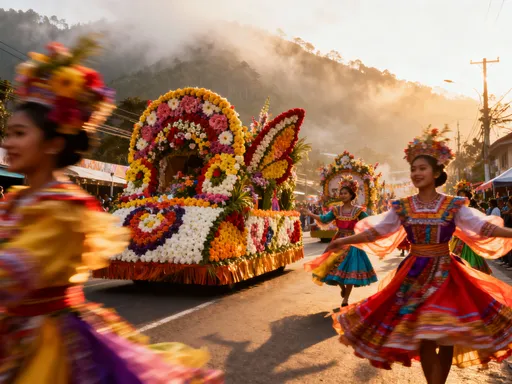
The centerpiece of Panagbenga is the Grand Float Parade, a dazzling procession of flower-covered vehicles that wind through Session Road and Luneta Hill. Each float is meticulously crafted by local schools, barangays, and civic organizations, taking months of preparation. Artisans use fresh flowers—carnations, chrysanthemums, and local blooms like *santan* and *gumamela*—arranged into intricate designs that reflect themes of nature, heritage, and hope. The floats are not just decorative; they are symbolic offerings, representing the community’s creativity and unity. Watching them glide past, accompanied by marching bands and dancers in vibrant costumes, is an experience that stirs the senses and lifts the spirit.
Equally captivating is the Street Dancing Competition, where cultural groups perform choreographed routines inspired by indigenous movements. Dancers wear elaborate headdresses and costumes adorned with beads, shells, and flowers, moving to the rhythm of native drums and gongs. Their steps echo the agricultural cycles and mountain life of the Cordillera, turning the pavement into a living museum of movement. For spectators, the best viewing spots include the grandstands along Session Road and the open areas near the City Hall, where elevated platforms offer clear sightlines. Arriving early is recommended, as families often arrive hours in advance to claim spots, turning the event into a communal picnic of sorts, complete with shared snacks and joyful anticipation.
Beyond the parades, Panagbenga includes a host of satellite events—garden shows, photography exhibits, and floral workshops—that invite deeper engagement. The festival’s organizers emphasize sustainability, encouraging the use of biodegradable materials and promoting urban greening initiatives. This balance of beauty and responsibility reflects Baguio’s broader ethos: to celebrate with purpose, to honor nature while adorning it, and to ensure that joy does not come at the cost of the environment. Panagbenga is not merely a festival—it is a statement of renewal, a declaration that even after hardship, life can bloom again.
Beyond the Parade: Immersive Experiences You Can’t Miss
While the parades are unforgettable, the true magic of Baguio’s festival season unfolds in the quieter, more intimate moments of participation. Travelers who go beyond spectatorship often find the most meaningful connections. One of the most rewarding ways to engage is by joining a cultural workshop—whether it’s learning the *takik*, a traditional Cordilleran dance performed on bamboo poles, or trying your hand at weaving on a backstrap loom. These sessions, often hosted in community centers or cultural villages like Tam-awan, are led by local artisans who share not just techniques, but stories behind the patterns and rhythms.
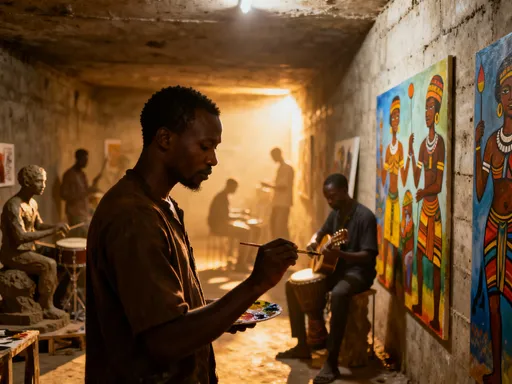
Tam-awan Village, located on the slopes of Asin Road, becomes especially alive during festival season. This reconstructed Ibaloi settlement serves as both a living museum and a creative hub, where visitors can watch woodcarvers shape narra logs into ancestral figures, listen to elders recount folk tales, or even try pounding *kiping* rice cakes using traditional wooden mortars. The atmosphere is warm and unhurried, allowing guests to absorb the culture at a human pace. Children laugh as they attempt to play the *solibao*, a large native drum, while parents browse stalls selling hand-embroidered blouses and woven baskets. It’s a space where time slows, and connection deepens—not through grand gestures, but through shared presence.
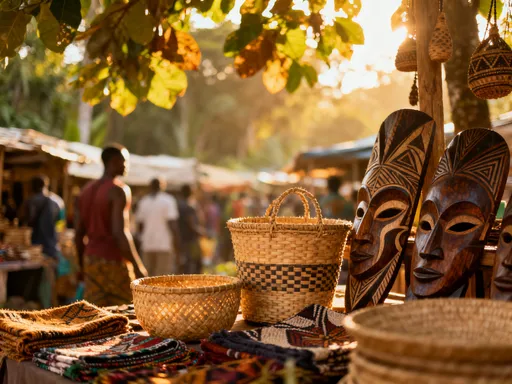
Another highlight is the Festival Craft Bazaar, typically set up near Malcolm Square or along Harrison Road. Here, local cooperatives display an array of handmade goods—beaded jewelry, woodcraft, embroidered textiles, and natural soaps made from highland herbs. Purchasing from these vendors does more than bring home a souvenir; it supports sustainable livelihoods and helps preserve traditional crafts that might otherwise fade. Many artisans welcome conversations, explaining the significance of motifs like the *okir* (a geometric design symbolizing protection) or the use of natural dyes derived from tree barks and roots. These interactions transform shopping into storytelling, making every item a vessel of memory.
For those seeking spiritual reflection, the festival season also offers opportunities to visit sacred sites with local guidance. While some rituals remain private, others—like the community thanksgiving ceremonies held in open plazas—are open to respectful observers. Participating in a simple offering of flowers or rice, even as a guest, can be a profound act of cultural exchange. These experiences remind us that festivals are not just about spectacle—they are invitations to step into a different way of being, one rooted in gratitude, rhythm, and relationship with the land.
A Taste of Tradition: Festival Food That Tells a Story
No cultural celebration is complete without food, and Baguio’s festival season is a feast for the palate as much as the eyes. The city’s highland climate shapes a unique culinary identity—one that blends indigenous ingredients with communal cooking traditions. During Panagbenga and other festivals, food stalls line the streets, offering more than just sustenance; they serve as living archives of flavor and memory. Each dish carries a narrative, linking the present to generations past.
One of the most talked-about delicacies is *pinikpikan*, a traditional Ibaloi dish prepared with deep cultural significance. While not for every traveler due to its preparation method, it represents a spiritual offering, often served during rituals of thanksgiving. For those seeking more accessible tastes, *etag*-cured pork is a must-try. This smoked meat, similar to ham but with a distinct earthy depth, is slow-cooked with vegetables in a dish called *pinikpikan na manok* or stewed into soups. Its rich flavor speaks of mountain preservation techniques developed long before refrigeration, turning necessity into culinary art.
Sweet treats are equally symbolic. *Kiniing*, a glutinous rice cake wrapped in banana leaves and cooked over charcoal, is often shared during festivals as a symbol of unity and warmth. Vendors sell them warm, their subtle sweetness enhanced by coconut and a hint of anise. Another favorite is *buko pie*, a Baguio specialty that has gained national fame. Local bakeries like Glen’s and Royal serve flaky, creamy versions that capture the freshness of coconut meat from nearby provinces. These pies are more than desserts—they are emblems of the city’s hospitality, often gifted to visitors as tokens of welcome.
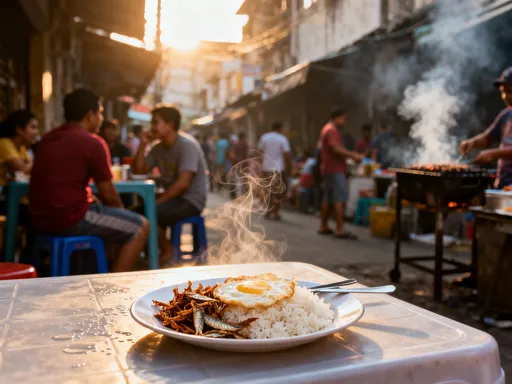
Street food during festival season also highlights innovation within tradition. You’ll find *sagay*, grilled meat skewers marinated in local spices, served with *basi* (sugarcane wine) by roadside stalls that double as social hubs. Coffee lovers should try *Cordillera arabica*, a highland brew grown in nearby Sagada and Kalinga, known for its smooth, chocolatey notes. Sipping it from a clay cup at a morning market stall, surrounded by the hum of festival preparations, is a moment of quiet joy. Every bite and sip during Baguio’s festival season is an act of connection—to the land, to history, and to the people who keep these flavors alive.
Choosing the Right Time and Stay: Practical Tips for Festival Travelers
Planning a visit to Baguio during festival season requires thoughtful preparation, especially given the surge in travelers. The peak of Panagbenga in February is the most popular time, but it also means crowded streets and limited accommodations. For a more relaxed experience, consider arriving in the first week of the festival, when events are in full swing but the heaviest crowds have not yet arrived. Alternatively, visiting during the pre-festival weeks allows you to witness final preparations—float building, dance rehearsals, and market setups—offering a behind-the-scenes glimpse into the city’s transformation.
Accommodation options range from boutique hotels in the city center to homestays in quieter neighborhoods like Mines View or Loakan. Staying in a locally-owned guesthouse or eco-lodge not only supports the community but often provides a more authentic experience, with hosts offering personal recommendations and home-cooked meals. Booking at least three to four months in advance is strongly advised, as rooms fill quickly, especially near major venues like Burnham Park and Session Road. Travelers seeking a nature-immersed stay might consider nearby villages such as Camp John Hay or Asin, where mountain lodges offer serene views and easier access to outdoor activities.
Transportation within Baguio is best managed on foot or by jeepney for short distances, as traffic congestion increases significantly during festival days. The city’s compact layout makes walking a pleasant option, particularly in the cool morning hours. For longer trips, ride-sharing services and tricycles are available, though fares may rise during peak demand. Those driving from Manila should expect a 5- to 6-hour journey via the scenic Kennon Road or Marcos Highway, both of which offer breathtaking views but require caution due to winding paths and occasional fog.
Weather preparedness is essential. Baguio’s highland climate means temperatures can drop to 12°C (54°F) at night, even during summer months. Packing layers, a light jacket, and comfortable walking shoes is crucial. Rain is also possible, so a compact umbrella or raincoat is recommended. Festivalgoers should carry reusable water bottles and small snacks, as lines at food stalls can be long. Lastly, downloading offline maps and local event schedules in advance ensures you won’t miss key performances while staying connected in areas with spotty signal.
Respecting the Culture: How to Be a Mindful Visitor
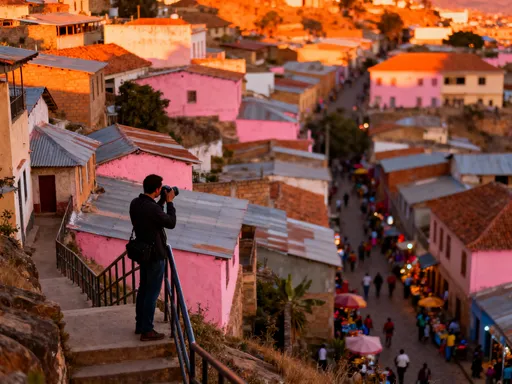
With the privilege of witnessing Baguio’s vibrant festivals comes the responsibility to engage respectfully. These celebrations are not entertainment spectacles—they are expressions of identity, history, and spiritual values. Mindful tourism begins with humility: recognizing that you are a guest in a living culture, not a consumer of it. Simple actions—like listening more than speaking, observing before participating, and asking permission before taking photographs—can make a meaningful difference.
One of the most important considerations is photographing rituals or individuals. While it’s natural to want to capture memories, some ceremonies are sacred and not intended for public documentation. Always seek consent before photographing people, especially elders or performers in ceremonial attire. If unsure, a polite nod or gesture often suffices. In many indigenous communities, photography during rituals is believed to capture not just the image, but the spirit, making it a sensitive issue. Respecting these beliefs is a sign of true cultural appreciation.
Supporting the local economy is another form of respect. Instead of buying mass-produced souvenirs, purchase directly from artisans at official bazaars or community stalls. Ask about the materials and meanings behind crafts—this not only enriches your understanding but validates the artisan’s knowledge. Avoid haggling aggressively; fair pricing supports sustainable livelihoods. Similarly, dining at family-run eateries rather than chain restaurants ensures your spending benefits the community directly.
Environmental mindfulness is equally vital. Baguio’s beauty depends on its clean air, green spaces, and well-maintained streets. Festivalgoers should carry reusable bags, avoid single-use plastics, and dispose of waste properly. Many events now promote zero-waste practices, with compost bins and recycling stations available. By treading lightly, visitors help preserve the very environment that makes Baguio so special. Ultimately, respectful tourism is not about perfection—it’s about intention. When you approach the festival with openness, gratitude, and care, you become part of the celebration in the most meaningful way.
Why Baguio’s Festivals Stay With You Long After You Leave
Long after the last float has passed and the final drumbeat fades, something lingers—a quiet warmth, a sense of having touched something real. Baguio’s festivals do not end when the calendar turns; they settle into memory, reshaping how you see culture, community, and connection. Unlike fleeting tourist attractions, these experiences embed themselves in the heart because they are not performed—they are lived. You don’t just watch a dance; you feel its rhythm in your chest. You don’t just see a woven pattern; you hear the story behind its lines. This depth of engagement is rare, and it is what makes Baguio unforgettable.
The emotional impact often reveals itself in small moments long after the trip: the scent of pine trees reminding you of morning walks in Burnham Park, the taste of *kiniing* evoking laughter at a roadside stall, or the sound of a gong echoing in a dream. These sensory imprints are testaments to the authenticity of the experience. In a world where much of travel has become standardized, Baguio offers something different—a place where culture is not packaged, but shared. It invites you not to observe from a distance, but to step in, listen, and belong, even if just for a while.
More than a destination, Baguio becomes a reference point—a reminder that joy can be collective, that tradition can be dynamic, and that beauty can have purpose. For many visitors, especially women who carry the rhythms of family and home, the festivals resonate on a deeply personal level. They reflect the values of care, continuity, and celebration that shape daily life. To witness a grandmother teaching a child to weave, or a community building a float together, is to recognize a universal truth: that the strongest cultures are those that nurture connection across generations.
If you ever wonder where the soul of the Philippines can be felt most clearly, come to Baguio during festival season. Walk its flower-lined streets, share a meal with a local family, dance to the beat of native drums. Let the mountain air fill your lungs and the music fill your spirit. This is not just a trip—it is an awakening. And long after you return home, you’ll find yourself smiling at the memory, already dreaming of the next bloom.