What If Your Grocery Points Could Care for Mom?
Imagine rushing through the supermarket, swiping your card, collecting points—just like always. But what if those little rewards weren’t just for discounts, but quietly helped care for your aging parent? Many of us juggle family responsibilities with daily routines, unaware that the tools we already use could ease that load. This isn’t about big tech fixes—it’s about smarter, kinder use of what’s already in your wallet. The truth is, you don’t need a high-tech solution to show up for the people you love. Sometimes, all it takes is a small shift in perspective—and a loyalty card you already carry.
The Overlooked Burden of Everyday Caregiving
Let’s be honest—most of us didn’t sign up to be caregivers. It just kind of happened. One day, you’re calling your mom to ask about her favorite soup recipe. The next, you’re on hold with her pharmacy, trying to confirm a refill while your child needs help with homework. You’re not alone. Millions of women between 30 and 55 are quietly managing the health and well-being of aging parents, often without fanfare or support. The weight isn’t just in the tasks—it’s in the emotional labor of always being 'on.' You remember the doctor’s appointments. You track the medications. You notice when her favorite brand of tea is missing from the shelf. And you do it all while running your own home, working, and trying to carve out a moment for yourself.
It’s not that we don’t want to care for our parents—it’s that the system isn’t built for us. There’s no manual for how to balance it all, no alarm that reminds you to check in on Dad when he’s been quiet for three days. We rely on memory, sticky notes, and text threads that go back months. And when something slips—like a missed blood pressure check or a forgotten grocery delivery—it’s us who feel like we’ve failed. But here’s the thing: it’s not failure. It’s burnout. And it’s preventable. What if we could use the tools we already interact with every day—our shopping habits, our loyalty cards, our phones—not to add more to our plates, but to lighten the load?
How Loyalty Points Became Invisible Helpers
Think about your last trip to the grocery store. You bought milk, bread, maybe some frozen vegetables. You scanned your loyalty card. You earned 120 points. Nothing special, right? But what if I told you that those 120 points—small as they seem—could help pay for your mom’s weekly vitamin delivery? Or cover the cost of a hygiene kit for your dad’s home care aide? That’s exactly what happened for Maria, a school administrator from Ohio. For years, she collected points from her local supermarket and pharmacy without thinking much about them. Then, when her mother was diagnosed with early-stage dementia, everything changed. Maria started noticing the little expenses—the special nutrition shakes, the incontinence supplies, the delivery fees. They added up fast.
One evening, while organizing her digital wallet, she had a lightbulb moment: What if she redirected her family’s loyalty points to cover some of these costs? She didn’t need to spend more. She just needed to spend smarter. She logged into her grocery account, linked her husband’s card, and set up automatic point donations to a shared gift card used exclusively for her mom’s care. Within three months, she’d accumulated enough to cover a full month of pre-made, nutritious meal kits—delivered right to her mother’s door. No extra shopping. No extra money. Just a small change in how she used what she already had. And the relief? It wasn’t just financial. It was emotional. She finally felt like she was doing something tangible, something meaningful, without adding another task to her to-do list.
The Power of Coordination Through Shared Accounts
Here’s the reality: caregiving is rarely a one-person job. But too often, it feels that way. One sibling lives nearby and handles the emergencies. Another is across the country, wanting to help but unsure how. Guilt builds. Miscommunication happens. Someone forgets to order the prescription. Another assumes someone else took care of it. The result? Stress, duplication, and gaps in care. But what if technology could help bridge the distance—not with complicated apps, but with simple, familiar tools?
That’s where shared loyalty accounts come in. More and more retailers and pharmacy chains now offer family-sharing features that let you link multiple users to a single rewards profile. This means you can pool points from your grocery runs, your husband’s gas purchases, even your teenager’s occasional pharmacy visit. And it’s not just about collecting more points—it’s about coordination. Imagine being able to log in and see that your brother already used points to cover last week’s insulin delivery. Or knowing that your sister scheduled the next shipment of adult diapers using rewards she earned from her coffee runs. It creates transparency. It builds trust. And it turns caregiving from a solo act into a team effort.
Take Linda, a nurse in Colorado. Her father lives in Florida with early-stage Parkinson’s. She can’t be there every day, but she doesn’t want to be out of the loop. She linked her pharmacy loyalty account with her two sisters and her dad’s home care coordinator. Now, whenever a prescription is filled, she gets a notification. If the points balance is high enough, the system automatically applies them to the next order. No more last-minute scrambles. No more wondering if the medication was picked up. And when her sisters contribute their points, it’s not just a financial gesture—it’s a message: We’re all in this together. Technology, in this case, isn’t cold or impersonal. It’s a quiet way of saying, “I’m here. I care. I’ve got your back.”
Making Technology Feel Human, Not Technical
I know what you’re thinking: “But my mom hates technology.” Sound familiar? You’re not alone. Many older adults are wary of apps, passwords, and anything that feels like it might complicate their lives. And that’s okay. The goal isn’t to turn your parents into tech experts. It’s to make the technology disappear—so all they experience is the care, not the code.
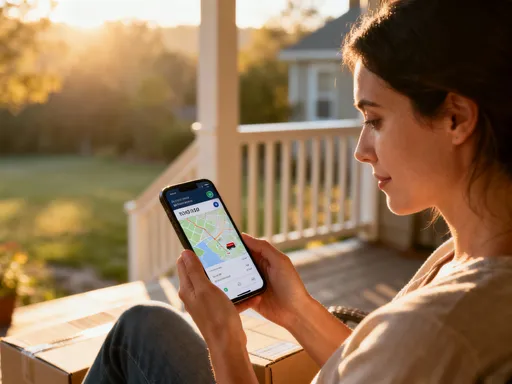
The trick is in how you introduce it. Instead of saying, “Mom, I downloaded an app to manage your meds,” try, “Hey, I noticed your shampoo was running low, so I used some of our grocery points to get it delivered. No need to go to the store.” It’s not about the tool—it’s about the outcome. When your mom sees her favorite lotion on the doorstep with a note that says, “Paid for with family points,” she doesn’t care about the backend system. She feels loved. She feels supported.
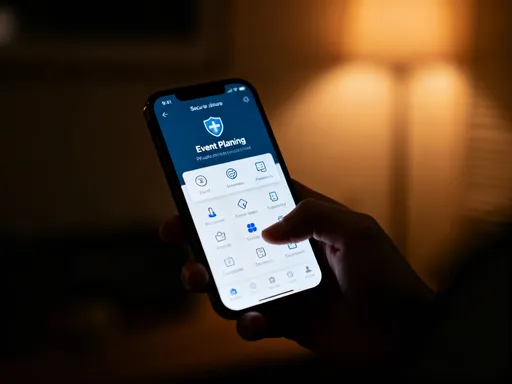
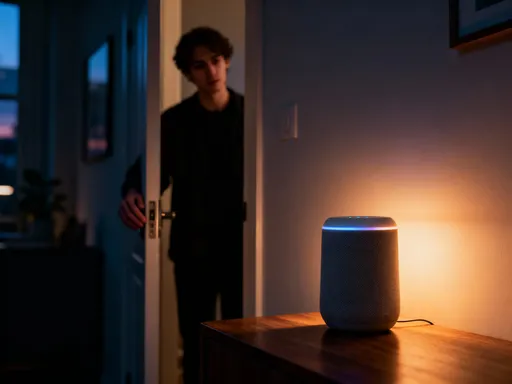
And the setup? It’s simpler than you think. Most loyalty programs let you link accounts in under five minutes. Some even offer voice-enabled features—so your dad can say, “Alexa, check my pharmacy points,” and hear how close he is to his next free delivery. You can set up automatic reminders: “When Mom’s blood pressure monitor is low on batteries, use 500 points to reorder.” No extra steps. No learning curve. Just seamless support that feels personal, not programmed. The technology works quietly in the background, so your family can focus on what really matters—being together.
Turning Small Actions Into Long-Term Support
Let’s talk about scale. You might be thinking, “500 points here, 300 there—what difference can that really make?” I get it. Individually, those numbers seem tiny. But over time, they compound—just like love, just like care. Think of it like a piggy bank for your parent’s well-being. Every grocery trip, every tank of gas, every coffee run adds a little more. And before you know it, you’ve saved enough for something meaningful.
Consider the Thompson family. They started small—just linking their three household loyalty cards to a shared pharmacy account. They didn’t change their spending habits. They just redirected the points. At first, it covered small things: toothpaste, bandages, a box of tea. But after a year, they’d accumulated over 40,000 points—enough to pay for six months of home health aide transportation. They celebrated with a family dinner, not because they’d saved money, but because they’d created something together. They called it their “Care Fund,” and every time a notification popped up—“Points used: $25 toward Dad’s oxygen refill”—someone would text the group chat with a heart or a thumbs-up. It became a ritual. A reminder that even when they were miles apart, they were still building something important.
And here’s the best part: automation makes it sustainable. You don’t have to remember to log in every week. Many apps now offer features like auto-redemption, where points are automatically converted to gift cards or applied to recurring purchases. You set it once, and it keeps working. It’s not about perfection. It’s about persistence. And the more you do it, the more natural it feels—like brushing your teeth or setting the table. Small actions, repeated, become a legacy of care.
Beyond Savings: The Emotional Value of Shared Responsibility
Yes, saving money matters. But what matters more is the feeling of not being alone. Caregiving can be isolating. You might feel like the only one who remembers the doctor’s appointments, who knows which brand of oatmeal your dad likes, who checks the weather to make sure Mom’s aide can get through the snow. But when your siblings start contributing points—even just a few hundred a month—it changes the dynamic. It’s not about the amount. It’s about the message: I’m paying attention. I’m involved. I’m here.
And those little notifications? They do more than track transactions. They spark connection. When Sarah in Chicago sees that her brother in Texas used points to cover her mom’s foot cream, she texts him: “You’re the best. She’s been complaining about dry skin.” That simple exchange—a text, a memory, a shared laugh—wouldn’t have happened without that small digital nudge. Technology, in this case, isn’t replacing human connection. It’s enabling it. It’s creating moments of warmth in the middle of a busy day.
There’s also a quiet dignity in this approach. Your parents don’t have to ask for help. They don’t have to feel like a burden. The support arrives seamlessly, through a system that feels natural, not charitable. And for you? You get to feel capable. You get to see that even in the chaos of life, you can create order. You can make a difference. Not with grand gestures, but with consistent, quiet acts of love—funded by the everyday choices you were already making.
Starting Simple: Your First Step Toward Smarter Care
If you’re reading this and thinking, “This sounds nice, but I don’t have time to set up another system,” I hear you. You’re busy. You’re tired. You’re doing your best. And that’s exactly why this shouldn’t feel like one more thing. This isn’t about overhauling your life. It’s about making one small change that grows over time.
Here’s how to start: pick one loyalty program you already use. It could be your grocery store, your pharmacy, or even your gas station. Log in. Look for the family-sharing or account-linking option. It’s usually under “Settings” or “Rewards.” Then, link one other person—your mom, your dad, your sibling. Choose one caregiving expense you’d like to cover—maybe her weekly vitamins, or his monthly grooming kit. Set up automatic point redemption, if available. That’s it. You don’t need to do more. You don’t need to be perfect. You just need to begin.
And when that first delivery arrives—paid for with points you didn’t even think about earning—you’ll feel it. That quiet swell of pride. That sense of peace. Because you’ve done something real. You’ve turned routine into ritual. You’ve made technology serve love, not the other way around. And you’ve shown your family, in the most practical way possible, that care isn’t about how much you spend—it’s about how thoughtfully you give. So go ahead. Swipe that card tomorrow. But this time, see it a little differently. Not just as a way to save a few dollars—but as a way to say, “I’m here. I’ve got you.” Because sometimes, the most powerful tech isn’t in a lab. It’s in your wallet, waiting to be used with purpose.