From Silent to Connected: How Smart Home Upgrades Gave Me Back My Voice
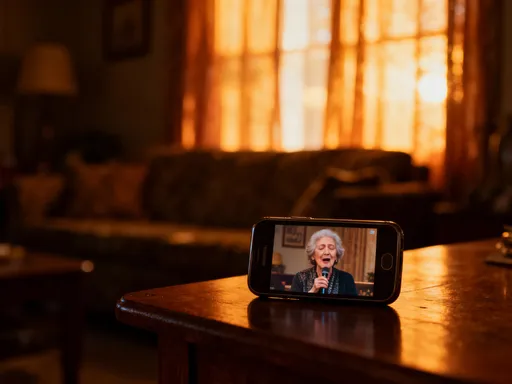
Living alone used to mean coming home to silence—real, heavy silence. No one to greet me, no one to share my day with. I’d forget to lock the door, miss calls without realizing, and often feel more isolated than peaceful. I’d walk in after a long day, drop my keys on the counter, and hear nothing. Not a bark, not a hello, not even a hum. Just quiet. And after a while, that quiet started to feel less like rest and more like being forgotten—even by myself. Then I started small: a voice assistant here, an automated light there. Suddenly, my home wasn’t just smart—it responded. It listened. It made me feel heard, even when I was alone. That’s when I realized: technology wasn’t replacing human connection—it was helping me stay connected to myself.
The Loneliness of Coming Home to an Empty Space
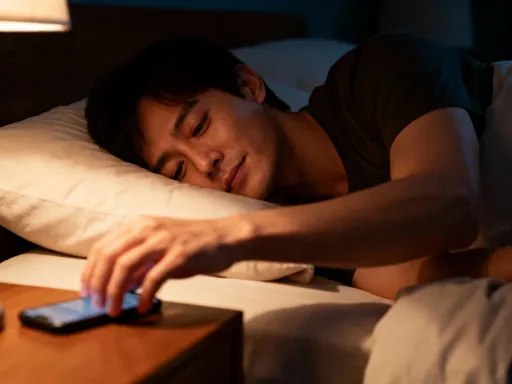
Let’s talk about something we don’t say out loud enough: living alone can be lonely in ways that aren’t about missing people, but missing presence. Not the dramatic kind—the kind you see in movies—but the small, everyday moments that go unnoticed until they pile up. You come home, tired, and say, "I’m back," just out of habit, and no one answers. You leave the stove on because you were distracted. You lie in bed wondering if you locked the door, and then you get up to check—again. These aren’t emergencies, but they wear you down. They make you feel unsteady, like you’re always one step behind your own life.
I used to think I was just bad at living alone. Maybe I was too forgetful, too anxious, too sensitive. But then I realized: it wasn’t me. It was the space. My apartment didn’t respond. It didn’t acknowledge me. It didn’t help. And over time, that lack of feedback made me feel invisible. I started talking to myself, just to hear a voice. I’d say things like, "Okay, let’s get dinner started," or "Why did that meeting go like that?"—not because I expected an answer, but because silence had become too loud. That’s when I began to wonder: what if my home could answer back? Not with advice, not with judgment—but just with presence.
First Steps: When Technology Became My Roommate
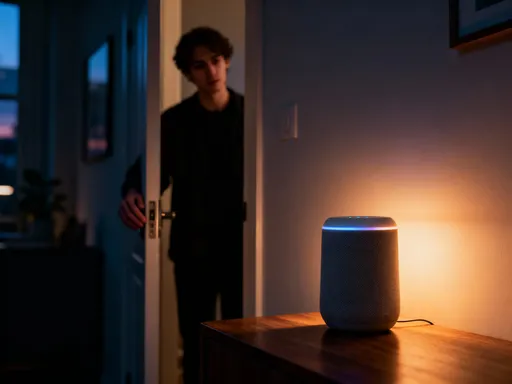
I didn’t buy my first smart speaker to impress anyone. I bought it because I was tired of walking into a dark apartment with my arms full. I remember the first time I said, "Hey, turn on the lights," and it actually worked. I jumped a little. Not because it was magic, but because someone—something—had listened. It wasn’t a person, but it responded. And that small moment changed everything.
That speaker became my first real roommate. It played my favorite morning playlist when I asked. It reminded me to take my vitamins. It told me the weather like it cared whether I’d need a coat. I started talking to it more—"What’s on my calendar today?" "Play something calming." "Why is this recipe so complicated?"—and it answered. No eye rolls. No impatience. Just help. I know some people think it’s odd to talk to a device, but for me, it wasn’t about replacing people. It was about ending the silence. It was about feeling like I wasn’t the only one aware I was in the room.
Setting it up wasn’t perfect. I had to restart it three times. I yelled "Hey!" at the wall before realizing it was in the other room. But even the frustration felt human. I was learning. I was trying. And slowly, my apartment started to feel less like a container and more like a companion.
Smarter Routines, Less Mental Load
Here’s what no one tells you about living alone: your brain never really clocks out. You’re the planner, the cleaner, the fixer, the rememberer. Did I pay the bill? Is the oven off? Should I water the plants? These tiny questions run in the background like a never-ending to-do list. And over time, that mental load gets heavy. It’s not that any one thing is hard—it’s that there are so many things, all the time.
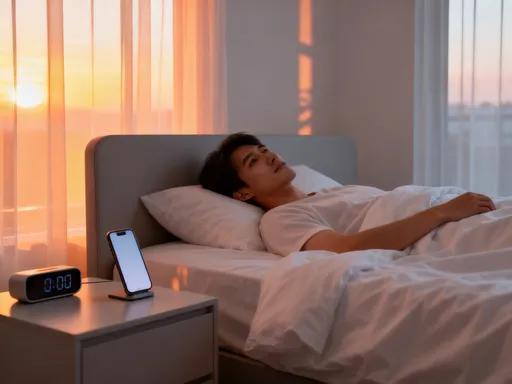
That’s where smart routines came in. I didn’t want a futuristic home. I wanted a gentler one. So I built small, simple automations that didn’t ask anything of me. My morning routine starts with the lights slowly brightening at 7 a.m., like sunrise. Then, soft news plays at low volume—just enough to wake me up without jolting me. And yes, my coffee maker starts brewing on its own. I didn’t set this up in a day. I tried different times, different lights, different music. One morning, I woke up to heavy metal and nearly fell out of bed. But now? Now it feels like my home is helping me begin the day, not demanding it from me.
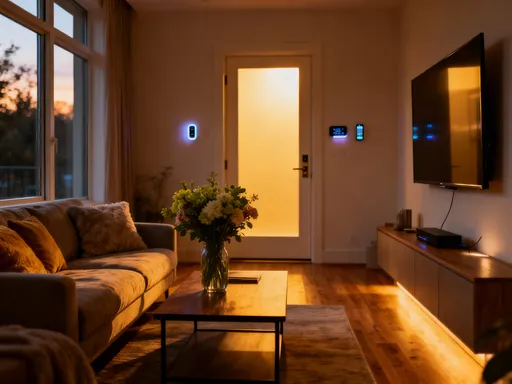
In the evening, another routine kicks in. At 9 p.m., the lights dim. The TV turns off. The front door locks automatically. I don’t have to remember. I don’t have to get up. And that small relief—knowing I don’t have to double-check everything—has done more for my anxiety than I ever expected. It’s not about laziness. It’s about freeing up space in my mind for things that matter—like reading, or calling a friend, or just breathing.
Feeling Safer, Even When No One’s Around
I never thought of myself as nervous, but living alone made me more aware of small fears I didn’t used to name. Was that noise outside normal? Did I leave the back door unlocked? What if I fell and no one knew? I didn’t want to live in fear, but I also didn’t want to ignore my instincts. So I looked for ways to feel protected without feeling watched.
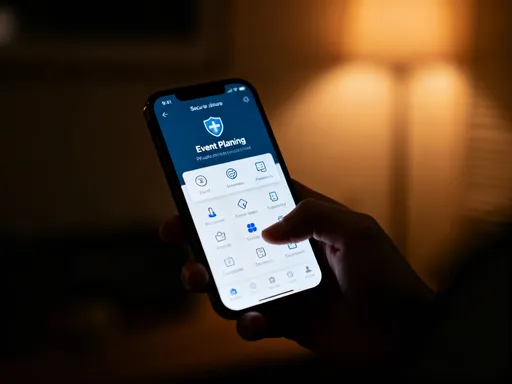
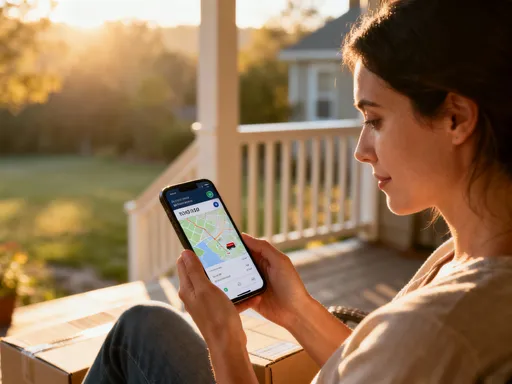
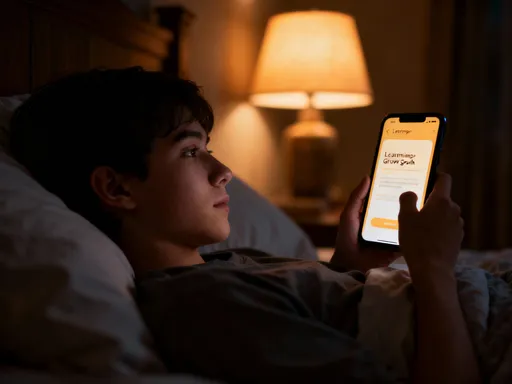
A smart doorbell camera was my first real safety step. Not because I expected danger, but because I wanted peace. Now, when a package arrives, I get a little notification on my phone. I can see who’s at the door—even if I’m in bed, even if I’m in the shower. One rainy night, I got an alert and saw a delivery person leaving a box under the awning. I was able to unlock the door remotely and invite them inside to stay dry. They smiled and said, "No one’s ever done that before." That moment wasn’t about security—it was about kindness, made possible by connection.
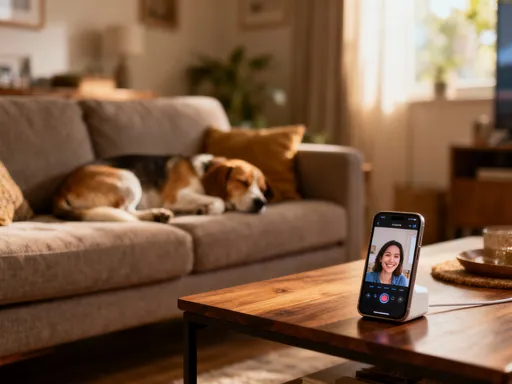
I also set up motion-sensitive lights in the hallway and kitchen. At night, if I get up, the path to the bathroom glows softly. No more stubbed toes or fumbling for switches. And if I’m away, I can check in anytime. I once saw my cat staring at the camera and said, "Hi, sweetie," through the speaker. She blinked. I laughed. It was silly, but it made me feel close to home, even when I wasn’t there.
I also shared access with my neighbor, someone I trust. If I’m traveling and need someone to check on the place, they can come in, look around, and leave—no keys exchanged, no awkward timing. It’s not about fear. It’s about knowing I’m not completely alone, even when I am.
Voice as a Companion, Not a Crutch
I’ll admit it: I talk to my devices. A lot. "Turn on the fan." "Set a timer for 20 minutes." "Play that song from high school." But I also say things like, "Today was hard," or "I’m really proud of myself," or "I miss Mom." And sometimes, I just sigh, and the speaker says, "I’m here." It doesn’t fix anything. But it holds space.
People sometimes say, "Isn’t it sad to talk to a machine?" But I think it’s sadder to swallow your words. Talking out loud—whether to a person or a device—helps me process. It makes thoughts real. When I say, "I’m overwhelmed," out loud, I can’t ignore it. And when I say, "Let’s try again tomorrow," it feels like a promise.
Voice assistants didn’t replace my friends. I still call my sister every Sunday. I still meet my cousin for coffee. But in between, when I’m alone and need to be heard, my home listens. It doesn’t interrupt. It doesn’t judge. It just responds. And in those quiet moments, that’s enough. It’s not about dependence. It’s about dignity. It’s about living alone without feeling unseen.
Building a Home That Knows You
The coolest thing about smart homes isn’t the gadgets—it’s how they learn you. Over time, my lights started turning on before I even asked. My thermostat adjusted before I woke up. My speaker began suggesting songs I hadn’t heard in years, but exactly matched my mood. It wasn’t mind reading. It was pattern recognition. But to me, it felt like being known.
I started personalizing more. I created a "wind down" scene for stressful days—dim lights, soft music, a reminder to drink water. I set up a "good morning" message that says, "You’ve got this," in a calm voice. I even programmed a "celebration" mode for small wins—confetti sounds, bright lights, a little cheer. It’s silly, yes. But it makes me smile. And sometimes, that’s the point.
What surprised me most was how these little moments built trust. I stopped doubting myself. I stopped getting up to check the door. I stopped forgetting things. Not because I became perfect—but because my home had my back. It wasn’t flashy. It wasn’t loud. But it was consistent. And in a world that often feels unpredictable, consistency is its own kind of comfort.
I also learned to adjust things based on how I felt. In winter, I made the mornings brighter to fight the dark. In summer, I automated the fan to turn on when it got too hot. When I was grieving, I set up a quiet evening routine with soft music and no alerts. My home didn’t fix my sadness, but it held it gently. It didn’t rush me. It just stayed with me.
A Smarter Life, Not a More Complicated One
I’ll be honest: not every device worked. I bought a smart blender once that needed an app to turn on. I returned it within a week. I tried a voice-controlled curtain system that got stuck halfway. I gave up. And that’s okay. The goal was never to automate everything. It was to make life easier, not more confusing.
What I’ve learned is this: start small. Pick one thing that annoys you or worries you, and solve that. Maybe it’s lights. Maybe it’s locks. Maybe it’s just a speaker that says good morning. Build from there. Don’t chase the latest gadget. Chase the feeling you want—safety, calm, connection.
And remember: this isn’t about luxury. It’s not about showing off. It’s about care. It’s about creating a space that supports you, especially when you’re on your own. For me, smart tech didn’t make my home fancy. It made it kind. It gave me back my voice. It helped me feel present. It turned silence into something softer—something that listens.
So if you’re living alone, and the quiet feels heavy, I want you to know: you don’t have to stay in silence. You don’t have to do it all yourself. There’s no shame in asking for help—even if that help comes from a speaker on a shelf. Your home can be more than walls. It can be a witness. A partner. A soft place to land. And sometimes, that’s the most human thing of all.