More Than Storage: How Tech Quietly Kept Our Family’s Story Alive
You know that box of old photos you keep meaning to sort? Or the voicemails from your dad you can’t bring yourself to delete? I once thought preserving family memories meant dusty albums and fading tapes—until I realized how quietly, gently, technology had already begun holding our stories for us. It wasn’t about fancy gadgets, but simple, thoughtful tools that turned scattered moments into something lasting. This is how we stopped losing pieces of who we are. What started as a near-miss moment—a video almost deleted—became a journey into how small, everyday tech choices can protect the heart of our family life. And the best part? It doesn’t take much. Just a little attention, a few smart habits, and the willingness to let technology do what it does best: help us hold on.
The Moment I Realized We Were Losing More Than Photos
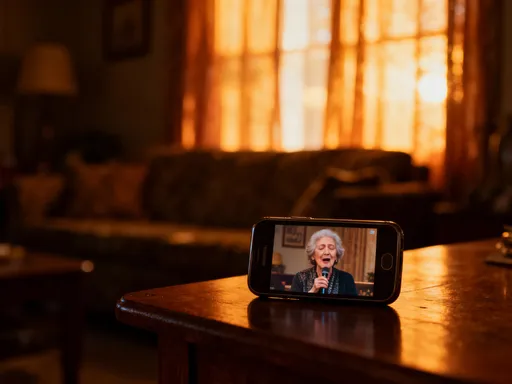
It was a Tuesday night, and I was cleaning up my phone. You know how it goes—swiping left, deleting screenshots, old receipts, blurry test shots. I wasn’t paying attention. Then, I saw it: a video from three years ago. My grandmother, sitting at the kitchen table, humming an old lullaby. Her hands folded in her lap, her voice soft but steady. I hadn’t watched it in months. And in that split second, my thumb hovered over the trash icon. I almost deleted it.
My heart dropped. I paused. I played it again. And again. That simple, unscripted moment—no one had planned to record it, no one thought it mattered—was suddenly everything. It wasn’t just a video. It was her laugh. The way she paused between verses. The warmth in her voice. It was *her*. And I had almost erased it without a second thought.
That moment changed everything for me. Because I realized this wasn’t about one video. It was about all the things we capture and then forget—photos of our kids’ first steps buried in phone folders, voice notes from loved ones tucked away in apps we never open, videos of family gatherings that live on a single device, vulnerable to damage or loss. We live in a time when we take more photos than any generation before us, yet so many of those memories are at risk. Not because we don’t care, but because we’re overwhelmed. We assume they’re safe. We tell ourselves we’ll organize them “later.” But later rarely comes.
And here’s the quiet truth: losing these moments isn’t just about missing a picture. It’s about losing pieces of who we are. It’s the sound of a grandparent’s voice we can’t replay. It’s the look on a child’s face during a holiday we can’t quite remember. It’s the feeling of connection that fades because we didn’t know how—or didn’t make the time—to keep it close. That night, I made a promise to myself: no more accidental losses. No more “I’ll do it later.” I wanted our family’s story to be safe—not just stored, but protected, organized, and easy to find. And I discovered that the tools to do it were already in my pocket.
From Overwhelm to Order: Taming the Digital Chaos
If you’ve ever stared at your phone’s photo library and felt a wave of guilt, you’re not alone. Thousands of images. Screenshots from two years ago. Blurry pet photos. Group shots where half the faces are cut off. And somewhere in there—buried under the digital clutter—are the moments you’d cry to lose. The first time your daughter rode her bike. Your mom’s birthday dinner. The way your nephew laughed when he opened his favorite gift. But finding them? That’s another story.
We’ve all been there—telling ourselves we’ll sort them “someday.” But that day rarely comes. And the longer we wait, the heavier the mental load becomes. It’s not just about storage. It’s about the emotional weight of knowing you’re holding onto something precious but not doing enough to protect it. That guilt, that overwhelm—it’s real. And it keeps so many of us stuck.
Here’s the good news: you don’t have to go through every photo one by one. Technology has quietly evolved to help us manage this chaos without effort. Take auto-syncing photo libraries, for example. Apps like Google Photos and Apple Photos can automatically back up everything you take, as long as you’re connected to Wi-Fi. No extra steps. No remembering to save. It just happens. And once it’s backed up, it’s no longer tied to one fragile device. If your phone breaks, gets lost, or stops working, your memories are still safe.
But it goes even deeper. These tools now use smart tagging—real, built-in features that recognize faces, places, and even objects. You don’t have to label anything. Over time, the app learns that this is your sister, that this is your dog, that this is your kitchen. You can search “beach,” “birthday,” or “Grandma,” and instantly find every photo that matches. It’s not magic. It’s thoughtful design that works quietly in the background.
I started using this a few months ago. One night, my son asked, “When did we go to the lake last summer?” Instead of digging through folders, I typed “lake” into my photo app. Up came a slideshow—us roasting marshmallows, my daughter jumping off the dock, my husband asleep in a hammock. We spent the evening laughing, reliving it together. That moment didn’t just bring back a memory. It brought us closer. And it cost me zero effort. That’s the power of smart organization: it doesn’t just save time. It saves connection.
The Unexpected Gift of Voice: Saving More Than Just Words
We take so many photos. But how often do we record voices? I didn’t think about it much—until I got a voice memo from my four-year-old nephew. He had picked up my sister’s phone, pressed record, and said, “I love you, Auntie. I drew you a flower.” Then he giggled. And hung up. That 12-second clip? I play it when I’m tired. When I miss my family. When I need a reminder of what matters. Because it’s not just the words. It’s his voice—the pitch, the stumble, the joy. It’s something a text message could never capture.
Audio is one of the most powerful, yet most overlooked, ways to preserve family life. A recording of your mother telling a story. Your father humming in the garage. Your child singing in the backseat. These sounds carry emotion in a way that photos and videos sometimes can’t. And the best part? They’re so easy to create. Most phones have a voice memo app right on the home screen. No setup. No learning curve. Just tap and record.
I’ve started using mine more often. After dinner, I’ll ask my daughter, “What was your favorite part of the day?” and record her answer. Not every night. Just sometimes. Over time, I’ll have a collection of her voice at different ages—her changing tone, her growing vocabulary, her little habits of speech. One day, she’ll be grown. And I’ll be able to hear what she sounded like at eight years old. That’s priceless.
But it’s not just about intentional recordings. Smart speakers and home devices can help too. Some let you create voice messages for family members—like leaving a note for your mom that she can play on her device. Others allow you to save family stories during casual moments. Imagine gathering around the kitchen table, someone asks Grandma about her childhood, and with one command, you start recording. No cameras. No pressure. Just conversation. Later, you can save it, name it, and add it to your family’s audio collection.
And like photos, these audio files need to be protected. Make sure your voice memos are backed up to the cloud. If you use an iPhone, check that iCloud Drive includes your Voice Memos folder. On Android, make sure your recordings are saved to Google Drive or another secure cloud service. A single device failure shouldn’t mean losing a loved one’s voice. These files are small, but their emotional weight is enormous. Treat them with care.
Bridging Generations with Simple Screens
I used to worry that technology was pulling families apart. That we were all staring at screens instead of talking. But I’ve seen the opposite happen. When my son was born, we created a private family album—one that only our closest relatives could access. Every few weeks, I’d upload a few photos: him laughing, sleeping, trying solid food for the first time. And within minutes, my mom would call. “I just saw the picture of him with the mashed peas! He looked so surprised!” she’d say, laughing. That little album didn’t replace our phone calls. It deepened them.
Shared digital albums are one of the simplest, most powerful tools for keeping families connected—especially when distance is involved. Grandparents who live across the country can watch their grandchildren grow in real time. Cousins who rarely see each other can celebrate birthdays together, even from afar. And for older relatives who aren’t comfortable with social media, this is a safe, easy alternative. No public posts. No confusing privacy settings. Just a private space where family belongs.
Most photo apps now offer this feature. You can invite family members by email or text, and they can view, download, or even add their own photos. I’ve had my sister-in-law add pictures from a visit I missed. My dad once uploaded an old scanned photo of my mom as a child—something I’d never seen before. These moments don’t just preserve memories. They create new ones.
Some families go a step further and use password-protected family hubs—private websites or apps where you can store photos, videos, letters, and even family trees. These aren’t public. They’re like a digital version of the family closet where we used to keep photo boxes and old letters. The difference? Now, everyone can access it, no matter where they live. And it’s searchable. No more digging through shoeboxes.
The beauty of these tools is how effortless they are. You don’t have to be tech-savvy. You don’t have to post anything for the world to see. It’s just for you. For your people. And in a world that often feels fast and disconnected, that quiet space—where you can see your family’s faces, hear their voices, and feel close even when you’re apart—is a gift. Technology didn’t replace our connection. It protected it.
Avoiding the Pitfalls: What Most People Get Wrong
We assume our memories are safe. We think, “It’s on my phone,” or “It’s in the cloud,” and we move on. But that’s exactly how losses happen. I know someone who lost ten years of family photos when their laptop crashed—and they hadn’t backed anything up. Another friend used a free photo app that shut down overnight, taking all their albums with it. These aren’t rare stories. They’re common. And they’re preventable.
The biggest mistake? Relying on a single copy. If your only copy of a video is on your phone, it’s at risk. Phones get dropped. They stop working. They get stolen. The same goes for laptops, external drives, or even USB sticks. One point of failure means one accident can erase everything.
So what’s the solution? A simple rule called the 3-2-1 backup rule. It’s used by professionals, but it’s easy to follow at home. Here’s how it works: keep three copies of your important files. Store them on two different devices—like your phone and a computer, or your tablet and an external hard drive. And keep one copy offsite—meaning in the cloud, like Google Drive, iCloud, or Dropbox. That way, even if your house is damaged or your devices fail, you still have a safe copy.
You don’t have to do this manually. Many cloud services sync automatically. But check your settings. Make sure your photos are actually backing up. Open your app and look for the little checkmark or “backed up” label. Don’t assume it’s working. Test it. Try accessing your photos from another device. If they’re not there, your backup isn’t complete.
Also, be careful with free apps. Some offer “unlimited storage” but come with hidden risks—like sudden shutdowns, data loss, or unclear privacy policies. Stick with trusted, well-known platforms. If an app feels sketchy or too good to be true, it probably is. Your family’s memories are worth protecting with reliable tools.
And don’t forget about format. Old file types can become unreadable over time. Save your photos and videos in common formats like JPEG and MP4. Avoid obscure or outdated formats that future devices might not support. The goal isn’t just to save them now—it’s to make sure they’ll still be viewable in 10, 20, or 50 years.
Making It Effortless: Building Memory Habits That Stick
The key to preserving family memories isn’t perfection. It’s consistency. You don’t have to spend hours organizing. You don’t need to become a tech expert. You just need a few small, repeatable habits that fit into your life. Think of it like brushing your teeth—small, daily actions that add up to big results over time.
Start with something simple: once a month, do a quick backup check. Open your photo app. Make sure everything’s synced. If you use an external drive, plug it in and run the backup. Set a reminder on your calendar if you need to. This isn’t about doing it all at once. It’s about making sure you’re not falling behind.
Another habit: name your photos right after a big event. After a holiday, a birthday, or a trip, take five minutes to add a title. Instead of “IMG_1234,” call it “Christmas 2023 – Family Dinner.” This makes it so much easier to find later. And if your app supports it, add a few keywords—like “Grandma,” “tree,” or “turkey.” Future you will thank you.
You can also pair memory-saving with existing routines. After dinner, while the kids are winding down, plug in your phone to charge and let it back up. Turn on your smart speaker and record a quick voice note about the day. Make it part of your evening rhythm, not an extra task.
And involve your family. Ask your partner to share their photos too. Encourage your kids to save their drawings or school projects by taking a photo. Let everyone contribute. This isn’t just your job. It’s your family’s story. The more people who help, the richer it becomes.
Over time, these small actions build something powerful. You’re not just storing data. You’re creating a legacy. And because the tools work quietly in the background, it doesn’t feel like work. It feels like living—while knowing that the moments that matter are being held, gently and safely, for the future.
The Quiet Comfort of Knowing Our Story Is Safe
I used to think preserving memories was about perfection. I imagined beautifully labeled albums, perfectly edited videos, a curated timeline of our best moments. But life isn’t like that. It’s messy. It’s full of blurry photos, shaky videos, and voice notes that start in the middle of a sentence. And you know what? That’s exactly what makes them real.
What matters isn’t the quality of the recording. It’s the presence behind it. It’s the fact that someone thought to hit “record.” That someone saved it. That someone cared enough to keep it close. And now, with the help of quiet, thoughtful technology, we can do that without stress, without guilt, without waiting for “someday.”
Knowing that our family’s story is safe brings a kind of peace I didn’t expect. It’s not loud or dramatic. It’s quiet. It’s the comfort of opening a photo app and seeing my grandmother’s face. It’s the joy of playing a voice memo and hearing my nephew’s laugh. It’s the certainty that these moments won’t be lost—not to time, not to accident, not to forgetfulness.
Technology, at its best, doesn’t replace human connection. It supports it. It doesn’t create memories. But it protects them. It doesn’t speak for us. But it helps us be heard, seen, and remembered—across years, across distances, across generations.
So if you’ve been putting this off, if you’ve been telling yourself you’ll do it “later,” I get it. But you don’t have to do it all at once. Start small. Pick one thing—back up your phone, save a voice memo, share a photo with someone you love. Let technology be the quiet guardian of your family’s story. Because your moments matter. Your people matter. And the love you’ve shared? That’s worth protecting.