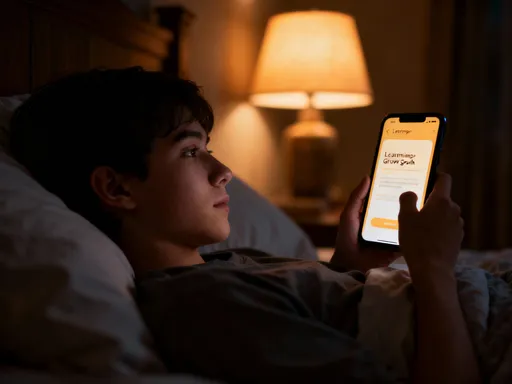
After Setting Up 12 Smart Scenes, This One Keeps My Friends Close Without Sharing My Privacy
Have you ever wanted to share your home’s comfort with friends, but worried about giving them too much access? I did too—until I found a smarter way. With just a few thoughtful smart scene settings, I can invite friends into my space emotionally, without handing over keys or compromising my privacy. It’s not about high-tech gadgets—it’s about staying connected, safe, and in control. That balance between warmth and boundaries is something I’ve been searching for, especially as someone who values both connection and personal space. And honestly, it wasn’t until I started rethinking how I used my smart home that I finally found it.
The Moment I Realized My Smart Home Was Pushing People Away
It started with a simple plan: dinner with an old friend I hadn’t seen in months. She was driving in from out of town, and I was excited to catch up. I had everything ready—the table set, candles lit, oven preheated. But when she texted to ask for the door code, I paused. I wanted her to feel welcome, but something about typing out those six digits made me uneasy. Was I really comfortable giving her access to my front door, even temporarily? What if she came by when I wasn’t home? What if she triggered a voice assistant and accidentally heard a private message?
That hesitation surprised me. After all, I’d spent years building a smart home designed to make life easier. I could adjust the thermostat from my phone, turn off lights with my voice, and even get alerts when the laundry was done. But in making things convenient for myself, I’d created a system that felt cold when it came to real human connection. My home was efficient—but was it hospitable? Was I using technology to keep people out, even if unintentionally? That night, I realized I didn’t need more features. I needed a smarter way to share—without losing control.
What Are Smart Scenes, Really? (And Why They Matter for Relationships)
When most people think of smart homes, they imagine lights turning on automatically or thermostats adjusting themselves. But the real magic isn’t in individual devices—it’s in how they work together. That’s where smart scenes come in. A smart scene is like a playlist for your home: it’s a set of actions that happen all at once, triggered by a single command, time, or event. You might have one called “Good Morning” that opens the blinds, starts the coffee maker, and reads the day’s forecast. Or “Movie Night,” which dims the lights and turns on the TV.
But here’s what no one talks about enough: smart scenes can also shape how we relate to others. Think about it—your home is where you host, where you laugh, where you create memories. So when you design scenes with others in mind, you’re not just automating tasks—you’re creating emotional experiences. A “Guest Mode” scene, for example, can do more than unlock a door. It can signal warmth. It can say, “I’m happy you’re here,” even when I’m not physically present to greet you.
And the best part? These scenes can be designed with care, not just convenience. You decide what gets turned on—and what stays off. That means you can welcome someone into your living room while keeping your bedroom off-limits, both physically and digitally. It’s not about building walls. It’s about creating thoughtful entry points—ways for people to feel included, without overstepping invisible lines we all carry.
The Privacy Dilemma: When Sharing Feels Too Risky
We’ve all been there—standing in the kitchen, phone in hand, about to send a Wi-Fi password or smart lock code to a friend. And then we stop. Not because we don’t trust them, but because we don’t fully trust the system. What if they accidentally open a camera feed from the hallway? What if they say, “Hey Google, what’s on my calendar?” and your private reminders start playing? These aren’t paranoid thoughts. They’re real concerns in a world where our homes are more connected than ever.
I decided to test this out myself. I invited a close friend over and gave her full access to my smart home app for 24 hours. What happened? She didn’t misuse anything—she’s trustworthy. But she did accidentally trigger my bedroom motion sensor while looking for the bathroom. She also asked my voice assistant to play music, and it responded by reading a personal note I’d dictated earlier. Nothing catastrophic, but enough to make me rethink how I share.
The issue isn’t the people we invite in. It’s the lack of nuance in how we give access. Most smart home systems are built on an all-or-nothing model: either you have full control, or you have none. But life isn’t that black and white. We need layers—ways to share certain spaces and functions without exposing everything. That’s when I realized the solution wasn’t to stop sharing. It was to share more thoughtfully, using smart scenes as a tool for intentionality.
How I Built a “Friend Mode” That Protects Me While Welcoming Others
So I set out to create a scene that would do two things at once: make my home feel warm and inviting, while protecting my private zones. I called it “Friend Mode,” and it took me a few tries to get right. The first version was too basic—just unlocking the door and turning on the porch light. The second went too far, giving access to too many devices. But the third? That one felt just right.
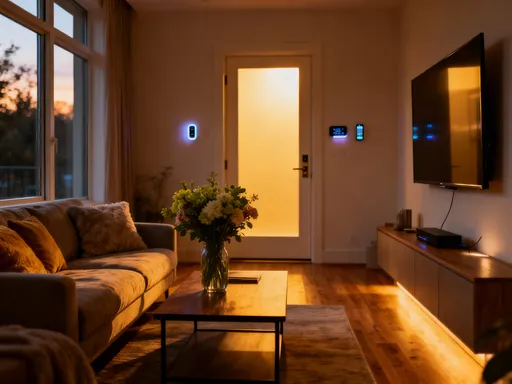
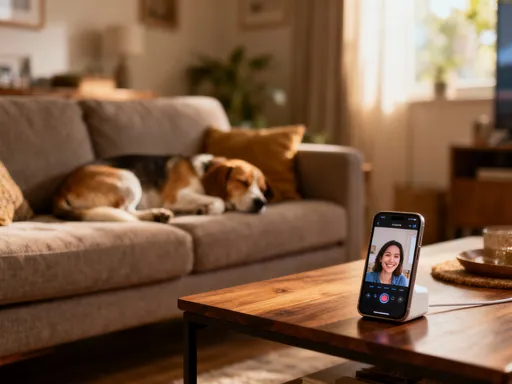
Here’s how it works: when I activate “Friend Mode” from my phone, a few things happen automatically. The front door unlocks—for the next 30 minutes only. The hallway and living room lights turn on at 60% brightness, just enough to feel welcoming without being too bright. The thermostat adjusts to a comfortable 72 degrees. Soft instrumental music starts playing through the living room speakers. And a voice assistant greeting says, “Welcome! Feel free to make yourself at home.”
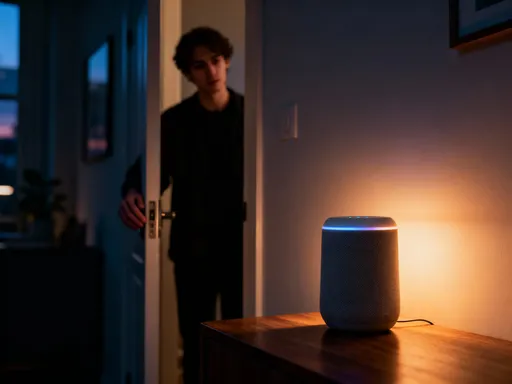
But at the same time, several things are turned off or restricted. The cameras in my bedroom and home office are disabled. Motion sensors in private areas are silenced. My phone stops sending home-related notifications. And the voice assistant is set to “Guest Mode,” so it won’t read personal messages, access my calendar, or control private devices. Even if someone says, “Hey, turn on the bedroom light,” it responds with, “I can’t help with that right now.”
The scene ends automatically after two hours, or when I manually turn it off. Everything resets—doors lock, lights dim, private systems come back online. No cleanup needed. No awkward follow-up texts asking, “Did you remember to lock up?” It’s seamless, safe, and surprisingly emotional. Because when I use it, I’m not just managing devices. I’m managing care.
The Emotional Payoff: Feeling Connected Without Compromise
Last weekend, my friend came over again—this time, I used “Friend Mode.” She texted when she arrived, and I watched from the kitchen as the system welcomed her. I saw the door unlock, the lights guide her inside, the music start. When she walked into the living room, she looked around and said, “Wow, it feels like you’ve been expecting me.” I smiled and said, “I have.” And I meant it—not because I’d prepped the house, but because I’d prepped my heart.
That moment wasn’t about technology. It was about feeling seen, safe, and respected—on both sides. She felt welcomed without pressure. I felt open without anxiety. We talked for hours, laughed over old memories, and even planned our next trip together. And when she left, I didn’t lie awake wondering if she’d locked the door or if she’d seen something she shouldn’t have. I just felt good. Connected. At peace.
That’s the quiet power of a well-designed smart scene. It doesn’t replace human warmth—it amplifies it. It allows us to say, “You matter to me,” in a language our homes can understand. And in doing so, it helps us hold both connection and privacy not as opposites, but as partners in a more thoughtful way of living.
Making It Work for Any Home: Simple Steps to Start
Now, you might be thinking, “This sounds great, but I don’t have a fully loaded smart home.” Good news: you don’t need one. I started with just a smart lock and a couple of smart bulbs. That was enough to create a basic version of “Friend Mode.” The key isn’t the number of devices you have—it’s the intention behind how you use them.
Start by asking yourself: what does “welcome” feel like in your home? Is it a warm light in the entryway? A favorite song playing softly? A comfortable temperature waiting when someone walks in? Write down a few things that make your space feel inviting. Then, look at the smart devices you already own. Can your lights turn on automatically? Can your thermostat adjust remotely? Can your speaker play music on command?
Next, think about boundaries. Which areas or devices should stay private? Bedrooms, home offices, personal voice assistants—decide what’s off-limits and how you’ll protect it. Most smart systems let you disable specific cameras or sensors through scenes. Use that feature. You can also set up routines that mute notifications or limit voice assistant access during guest visits.
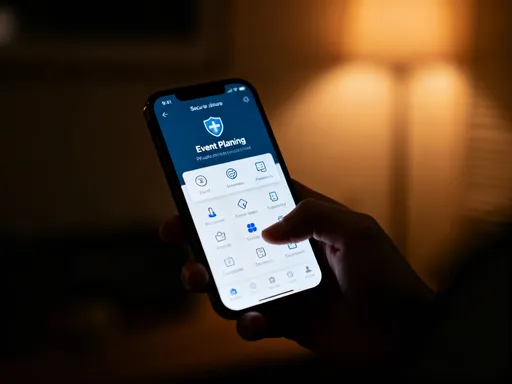
Then, build your scene. In your smart home app, create a new routine—name it “Guest Mode” or “Friend Visit” or whatever feels right. Add the actions you want: unlock door, turn on lights, play music, adjust temperature. Then add the restrictions: disable cameras, silence sensors, limit voice assistant. Set a time limit so it turns off automatically. Test it yourself first. Walk through the front door and see how it feels. Make adjustments until it feels just right.
Finally, try it with someone you trust. Invite a close friend over and activate the scene before they arrive. Ask them how it felt. Did it make them feel welcome? Did anything feel off? Use their feedback to refine it. Remember, this isn’t about perfection. It’s about progress—toward a home that’s not just smart, but emotionally intelligent.
Beyond Convenience: How Smart Scenes Strengthen Emotional Safety
What I’ve learned from building “Friend Mode” goes beyond hosting. It’s taught me that our digital lives don’t have to be all or nothing. We don’t have to choose between being open and being safe. With small, intentional settings, we can create spaces—both physical and emotional—where people feel welcomed, and we feel protected.
Think about how often we share in life: a recipe, a memory, a moment of joy. But we also guard certain things—our thoughts, our routines, our quiet time. That’s not selfish. It’s self-aware. And our smart homes can reflect that balance. When we design scenes that honor both connection and privacy, we’re not just using technology—we’re practicing emotional wisdom.
These scenes also teach us to be more mindful about access. Instead of handing over codes or passwords, we’re saying, “I’ll make space for you, on purpose.” That act—of choosing when, how, and where to open up—builds trust. Not just with others, but with ourselves. It reminds us that we get to decide how we show up in the world, even in our own homes.
And in a time when so much of our lives are broadcast, recorded, or shared without thought, that kind of control is a quiet act of courage. It says, “I value you, and I value me.” It’s a way of living that’s both generous and grounded. And honestly, isn’t that the kind of home we all want to create?
Tech That Honors Both Connection and Privacy
The best technology doesn’t shout. It listens. It notices the small things—the way you like the lights in the evening, the temperature that helps you sleep, the music that lifts your mood. And when it’s designed with care, it can also notice the emotional rhythms of your life: when to open up, when to step back, when to say “welcome” and when to say “this part is just for me.”
By rethinking how we use smart scenes, we’re not just making our homes more efficient. We’re making them more human. We’re creating spaces where friendship can flourish, without fear. Where warmth and boundaries coexist. Where we can be close to the people we love, while still feeling safe in our own skin.
So if you’ve ever hesitated to share your home, not because you don’t want to, but because you’re not sure how—try this. Build a scene that welcomes others, on your terms. Let your home say “you’re safe here” to your friends, and “you’re safe here” to yourself. Because true connection isn’t about giving everything away. It’s about sharing what matters, with care, with intention, and with heart.