More than just sharing: How hidden platform features quietly built my daily learning habit
Have you ever meant to learn something new every day but kept losing momentum? I did—until I stumbled on small, overlooked tools in the knowledge apps I already used. These subtle features didn’t shout for attention, but over time, they gently shaped my routine. No willpower battles, no guilt. Just tiny, smart nudges that made learning feel effortless. That’s when real change began. It wasn’t a sudden breakthrough or a dramatic shift in mindset. It was quieter than that. It was the soft ping of a reminder, the quiet satisfaction of seeing a streak grow, the ease of picking up exactly where I left off. These weren’t grand gestures. But together, they rebuilt my relationship with learning—and with myself.
The Habit That Never Stuck (Until Now)
I’ve always wanted to be someone who learns a little every day. You know the type—someone who reads thoughtful articles during breakfast, listens to insightful podcasts while folding laundry, or picks up a new skill just for fun. For years, I downloaded every popular learning app, signed up for newsletters, and set ambitious goals. I’d start strong: Day 1, Day 2, maybe even Day 3. But by the end of the week, life would rush in—kids needing help with homework, a last-minute work request, or simply the mental fatigue of making one more decision. The app would fade into the background, buried under more urgent notifications. I’d feel guilty, then discouraged, then give up—again.
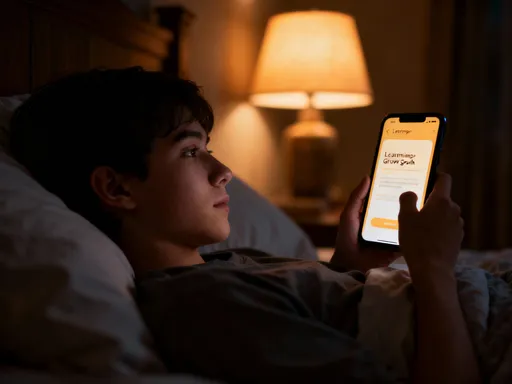
And I know I’m not alone. So many of us want to grow, to feel sharper, to keep up with a changing world. But motivation is a fickle friend. It shows up when we’re energized and disappears when we’re overwhelmed. The real problem wasn’t my lack of discipline—it was the design of the tools I was using. Most platforms are built to deliver content, not to help you actually use it. They assume you’ll show up every day with focus and time. But life doesn’t work that way. Then, one rainy Tuesday morning, I opened an app I hadn’t touched in weeks. Instead of a generic homepage, I saw a small message: “Welcome back. You’re 2 lessons from finishing your ‘Mindful Living’ series.” No judgment. No flashing ads. Just a gentle nudge. And something about that made me click. I finished the lesson in under five minutes. The next day, another small prompt appeared. “Your daily tip is ready.” I read it while waiting for my coffee to brew. That week, I didn’t plan to learn—but I did. And that’s when it hit me: maybe the key wasn’t willpower. Maybe it was design.
The Hidden Nudges No One Talks About
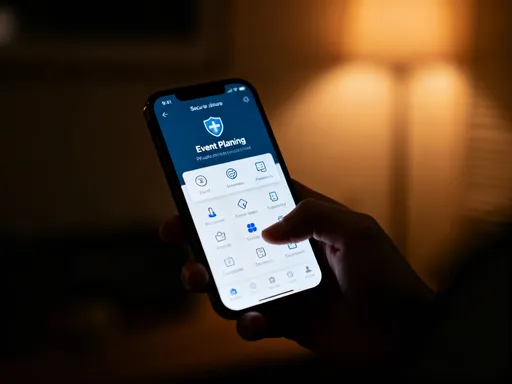
Once I started paying attention, I began noticing all sorts of quiet features—ones I’d overlooked before. They weren’t on the main menu or advertised in onboarding tutorials. They were tucked away, subtle, almost shy. But they were powerful. One was the “Continue where you left off?” message that appeared the moment I opened the app. It sounds simple, but it removed the biggest barrier: the mental load of deciding where to start. No scrolling through lists, no rereading descriptions. Just one clear next step. It felt less like a task and more like an invitation.
Another was the streak counter. Not the flashy, gamified kind with fireworks and sound effects—those actually made me feel pressured. This one was different. It was a small calendar view with gentle dots marking the days I’d engaged. No penalties for missing a day. No public leaderboard. Just a quiet visual of my consistency. I found myself not wanting to break the chain—not because I was obsessed with perfection, but because I liked seeing that little pattern grow. It became a quiet source of pride.
Then there was the “smart pause” suggestion. One evening, after watching two lessons in a row, the app gently said, “You’ve been learning for a while. How about a short break? We’ll save your progress.” I laughed—out loud. It felt like the app was looking out for me. That small act of care made me trust it more. I didn’t feel pushed or manipulated. I felt supported. These weren’t features designed to keep me addicted. They were designed to keep me *sustainable*. And that made all the difference.
How Small Design Choices Shape Big Behaviors
What I realized over time is that the most effective tools aren’t the ones that demand our attention—they’re the ones that reduce friction. Psychology tells us that consistency beats intensity every time. You don’t need to study for two hours to make progress. You need to show up, even for two minutes. And that’s exactly what these small design choices make possible.
Take auto-saved progress. It sounds basic, but think about how often you’ve lost your place in a video or article. That tiny frustration—the need to scroll back, to remember where you were—can be enough to make you close the app and walk away. But when your progress is saved automatically, returning feels seamless. It’s like leaving a book open on the couch. You don’t have to decide to pick it up again. You just do.
Then there are micro-challenges. One platform I use offers a daily prompt: “Watch one 3-minute lesson today.” That’s it. Not five. Not ten. Just one. And because it’s so small, I almost always say yes. Sometimes, I end up watching more. But even when I don’t, I’ve still done it. I’ve kept the habit alive. It’s like flossing—one tooth is enough to start. Once you begin, momentum often carries you forward.
These aren’t revolutionary features. But together, they create a rhythm. They turn learning from something I *should* do into something I *can* do—easily, naturally, without effort. And that shift changes everything.
Turning Passive Browsing into Active Growth
Let’s be honest—most of us don’t use knowledge platforms the way they’re “supposed” to. We scroll. We skim. We watch a video here and there, maybe save something for later (and never go back). I was guilty of this for years. I’d open an app, browse a few topics, and close it, feeling like I’d done something—but not really learning anything lasting.
Then I discovered how a few hidden tools could transform passive consumption into real engagement. One was the “Save for Later” feature with smart follow-up alerts. Instead of just saving an article or video, the app would send me a gentle reminder a few days later: “You saved this—want to read it now?” No pressure. No guilt. Just a second chance. And because the timing felt right—often when I had a quiet moment—it was easy to say yes.
Another game-changer was the reflection prompt that appeared after certain videos. Instead of just moving on, the app would ask, “What’s one thing you’ll try this week based on what you learned?” At first, I thought it was annoying. But I started answering—just a sentence or two. And something shifted. I began retaining more. I started applying ideas in my daily life—like using a breathing technique before a stressful meeting or trying a new way to organize my schedule. The act of reflecting turned information into action.
But the most surprising feature was the weekly summary. Every Sunday morning, I’d get a short email: “Here’s what you learned this week.” It listed the topics, the time spent, and a few key takeaways. Seeing it all in one place was powerful. I’d think, “Wait—I actually learned about mindfulness, communication, and time management?” It made my progress visible. And when you can *see* growth, you’re more likely to keep going.
Making It Personal Without the Pressure
One of the biggest fears I had about learning apps was that they’d feel impersonal—like being back in school, with checklists and deadlines. Or worse, like being watched, judged, or pushed to perform. But the best hidden features I’ve found do the opposite. They feel personal, thoughtful, and kind.
For example, one platform uses gentle check-ins. After a few days of inactivity, instead of a pushy “Don’t give up!” message, it asks, “Feeling overwhelmed? Try a 2-minute lesson today.” That small shift in language made me feel seen, not scolded. It acknowledged that life gets busy. It gave me permission to scale back without shame.
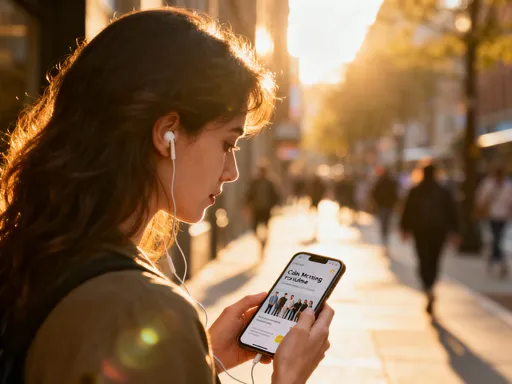
Another feature adjusts content timing based on when I’m most active. I tend to use the app in the mornings with coffee or during quiet evenings after the kids are in bed. The platform noticed that and began delivering new content during those windows. It didn’t bombard me at 9 a.m. on a Monday when I was already behind on emails. It waited. It respected my rhythm.
There’s also a mood-based recommendation option—something I didn’t even know existed until I stumbled on it. If I’m feeling stressed, I can tap a button, and the app suggests calming, grounding content. If I’m curious or energized, it offers more dynamic, engaging material. It’s not about pushing the same path for everyone. It’s about meeting me where I am—emotionally, mentally, and physically.
This personal touch made all the difference. I didn’t feel like a user. I felt like a person being supported. And that made me want to keep showing up—not out of obligation, but out of appreciation.
Building a Routine That Feels Effortless
After a few months of using these tools mindfully, something remarkable happened: learning became automatic. I didn’t need to remind myself. I didn’t need motivation. I just followed the flow. The app made the next step obvious, easy, and rewarding. It was like walking down a path with soft lighting—no stumbling, no confusion, just steady movement forward.
And the results? They surprised me. I started having richer conversations—with my partner, my friends, even my kids. I shared little insights from what I’d learned, and they’d respond with curiosity. At work, I felt more confident offering ideas in meetings. My thinking felt sharper, more organized. I wasn’t suddenly an expert in everything—but I was growing, steadily and quietly.
One moment stands out. A colleague mentioned she was struggling with time management. Instead of just sympathizing, I shared a simple technique I’d learned from a three-minute lesson: the “time block + buffer” method. She tried it and thanked me a week later. That small exchange reminded me: learning isn’t just for me. It ripples out. It helps me show up better—for my family, my work, my community.
The technology didn’t change me. It didn’t give me superpowers. But it gave me structure, support, and gentle encouragement. It turned learning from a chore into a quiet joy. And over time, that made all the difference.
Why This Matters Beyond Just Learning
This journey taught me something deeper than how to use an app better. It taught me that real, lasting change doesn’t come from big promises or dramatic overhauls. It comes from small, well-designed supports that work *with* your life, not against it. It comes from tools that understand you’re human—busy, emotional, sometimes tired, but always capable of growth.
These platforms, when used mindfully, don’t just deliver knowledge. They shape the way we grow. They teach us that progress doesn’t have to be loud or perfect. It can be quiet, consistent, and kind. And the most beautiful part? You don’t need a new app, a fancy subscription, or a complete lifestyle reset. You just need to look at the tools you already have—with new eyes.
Maybe there’s a small nudge waiting for you in an app you haven’t opened in weeks. Maybe it’s a saved lesson, a gentle reminder, or a weekly summary that shows how far you’ve come. Don’t underestimate the power of the quiet features. They don’t shout. But they speak directly to the part of you that wants to grow—without burning out, without guilt, without pressure. They remind you that you’re already on the path. You just needed a little help seeing it.